MMA Chemical Properties: Structure, Characteristics & Benefits
Methyl Methacrylate (MMA) is one of the most important chemical monomers used in the production of acrylic-based materials. Its unique combination of optical clarity, durability, weather resistance, and excellent processing characteristics makes it indispensable across industries such as construction, automotive, healthcare, electronics, and industrial manufacturing. Whether it is used to produce transparent acrylic sheets, protective coatings, or precision medical devices, the performance of the final product depends heavily on the MMA chemical properties.
Manufacturers, engineers, and industrial buyers often evaluate the physical and chemical characteristics of MMA before selecting it for production. Understanding these properties helps improve manufacturing efficiency, product quality, and long-term reliability. It also explains why Methyl Methacrylate has remained one of the most widely used raw materials in polymer and acrylic manufacturing for decades.
This guide explores the structure of methyl methacrylate, its physical and chemical properties, and why these characteristics make it a preferred material for numerous industrial applications.
What Is Methyl Methacrylate?
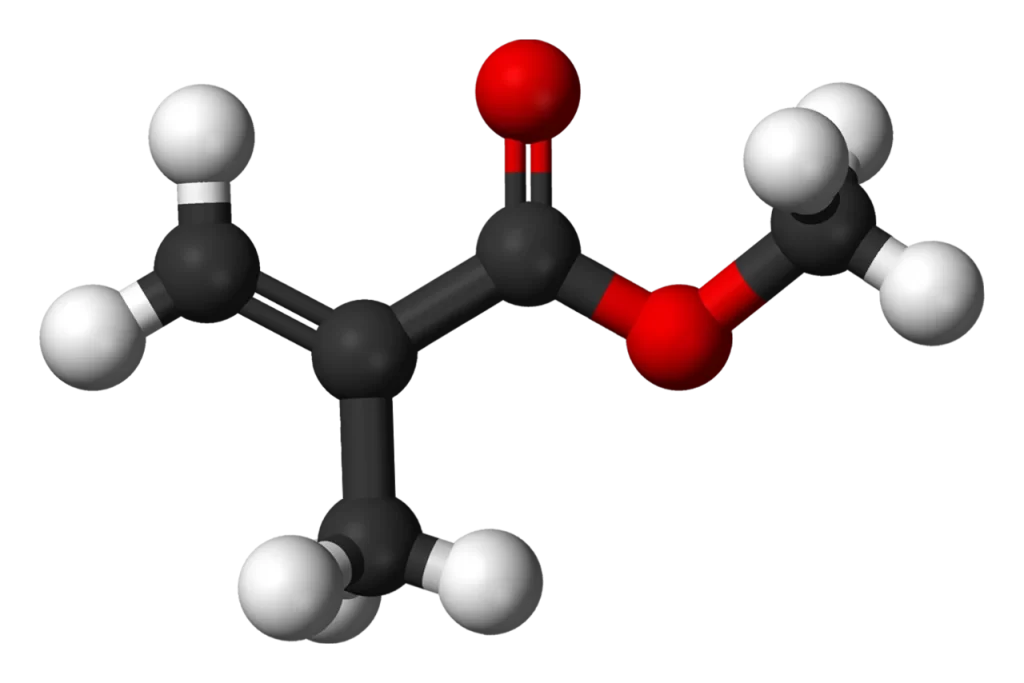
Methyl Methacrylate, commonly known as MMA, is an organic ester compound with the molecular formula C₅H₈O₂. It is a clear, colorless liquid that polymerizes readily to form Polymethyl Methacrylate (PMMA), one of the world’s most widely used transparent thermoplastics.
The compound contains a vinyl double bond that allows rapid polymerization and an ester functional group that contributes to its chemical characteristics. This molecular combination gives MMA exceptional versatility in polymer production.
MMA chemical is widely used to manufacture:
- Acrylic sheets
- Transparent display panels
- Automotive lighting components
- Protective barriers
- Industrial coatings
- Adhesives and sealants
- Medical devices
- Optical products
- Consumer electronics
Because of its versatility, Methyl Methacrylate remains one of the most valuable raw materials in the acrylic and specialty polymer industries.
Understanding MMA Chemical Properties
Before examining industrial applications, it is important to understand the MMA chemical properties that make this monomer suitable for large-scale manufacturing.
Unlike many conventional monomers, MMA combines excellent processing characteristics with long-term durability after polymerization. These properties allow manufacturers to produce acrylic products that perform reliably under demanding environmental and industrial conditions.
The performance of PMMA and other acrylic polymers depends heavily on the purity and quality of the original MMA monomer. Even small variations in raw material quality can influence transparency, strength, weather resistance, and manufacturing consistency.
For this reason, industrial manufacturers carefully evaluate MMA before using it in commercial production.
Chemical Structure of Methyl Methacrylate
The molecular structure of methyl methacrylate plays a crucial role in determining its physical and chemical behavior.
Molecular Formula
C₅H₈O₂
IUPAC Name
Methyl 2-methylprop-2-enoate
The molecular structure consists of three key components:
Vinyl Double Bond
The carbon-carbon double bond allows MMA molecules to join together during polymerization, forming long polymer chains that become PMMA.
Ester Functional Group
The ester group contributes to the compound’s chemical stability and influences its interaction with other materials during manufacturing.
Methyl Group
The methyl group improves the mechanical performance and durability of the final polymer, making PMMA suitable for demanding industrial applications.
This carefully balanced molecular structure explains why MMA is one of the most effective acrylic monomers available today.
Physical Properties of MMA Chemical
Several physical characteristics make MMA suitable for industrial processing and large-scale production.
Clear and Colorless Appearance
Methyl Methacrylate is a transparent liquid that produces highly clear acrylic products after polymerization.
Low Viscosity
Its relatively low viscosity allows efficient mixing, pumping, and processing in industrial manufacturing systems.
Characteristic Odor
MMA has a distinctive odor that assists with handling and identification during manufacturing, although proper ventilation and safety procedures are essential.
Excellent Polymerization Capability
One of the most valuable MMA chemical properties is its ability to polymerize efficiently under controlled manufacturing conditions. This characteristic enables consistent production of high-quality PMMA with excellent optical and mechanical properties.
Good Solubility
MMA is compatible with various solvents and formulation systems, making it suitable for coatings, adhesives, and specialty resin production.
These physical properties simplify manufacturing while supporting high production efficiency.
Chemical Properties of MMA
The chemical behavior of MMA determines its suitability for polymer manufacturing and other industrial processes.
High Reactivity
The vinyl double bond allows MMA to react readily during polymerization, producing durable acrylic polymers with consistent molecular structures.
Chemical Stability
Under recommended storage conditions, MMA remains stable and maintains its quality for industrial use.
Excellent Weather Resistance
Products manufactured from MMA maintain their appearance and performance even after long-term exposure to sunlight, moisture, and varying temperatures.
Strong UV Resistance
PMMA produced from MMA resists ultraviolet degradation better than many conventional plastics, making it ideal for outdoor applications.
Durable Polymer Formation
The methyl methacrylate process transforms liquid MMA into PMMA through polymerization, producing materials that combine transparency, strength, and long service life.
These chemical characteristics contribute directly to the widespread use of MMA across multiple industries.
Why MMA Chemical Properties Matter in Manufacturing
The quality of finished acrylic products depends significantly on the properties of the raw monomer used during production.
High-quality MMA delivers measurable manufacturing advantages, including:
- Improved optical clarity
- Better polymerization efficiency
- Consistent molecular performance
- Reduced manufacturing defects
- Excellent dimensional stability
- Reliable weather resistance
- Superior product durability
- Better long-term performance
Manufacturers that prioritize premium-quality MMA often achieve higher production efficiency while producing acrylic materials that meet demanding industrial specifications.
Whether producing acrylic sheets, optical components, protective barriers, or engineering plastics, understanding MMA chemical properties helps manufacturers select the right raw material for consistent, high-quality results.

PMMA Properties After Polymerization
One of the biggest advantages of methyl methacrylate is its ability to polymerize into Polymethyl Methacrylate (PMMA), a high-performance engineering plastic known for its durability, optical clarity, and weather resistance.
The outstanding PMMA properties make it suitable for applications where traditional materials such as glass or standard plastics may not provide the required performance.
Some of the most important PMMA properties include:
Exceptional Optical Clarity
PMMA allows up to 92% light transmission, making it one of the clearest transparent plastics available. This property makes it an excellent choice for display panels, windows, skylights, and optical products.
Lightweight Performance
Compared with conventional glass, PMMA is significantly lighter while maintaining excellent structural strength. This helps manufacturers reduce product weight without compromising durability.
High Weather Resistance
PMMA maintains its transparency and mechanical properties even after years of exposure to sunlight, rain, and changing temperatures. Unlike many plastics, it resists yellowing and surface degradation.
Excellent Surface Finish
The material provides a smooth, glossy appearance that enhances the aesthetic value of finished products. This makes PMMA suitable for decorative and architectural applications.
Easy Fabrication
PMMA can be cut, drilled, machined, polished, thermoformed, and bonded with ease, allowing manufacturers to produce customized components for different industries.
These PMMA properties explain why acrylic products continue to replace traditional materials in modern manufacturing.
Industrial MMA Applications
The excellent MMA chemical properties make Methyl Methacrylate one of the most versatile monomers used across multiple industries.
Some of the most common industrial MMA applications include:
Acrylic Sheet Manufacturing
Paints and Protective Coatings
Adhesives and Sealants
Automotive Industry
Medical and Dental Applications
Electronics Industry
Advantages of High-Quality MMA Chemical
Although many suppliers offer Methyl Methacrylate, product quality can vary significantly.
Choosing premium-grade MMA offers several manufacturing advantages:
Improved polymerization efficiency
Higher optical clarity
Better surface quality
Reduced impurities
Consistent production performance
Excellent weather resistance
Greater product reliability
Lower rejection rates during manufacturing
For manufacturers producing acrylic products at scale, consistent raw material quality directly contributes to higher productivity and improved customer satisfaction.
Choosing a Reliable Methyl Methacrylate Supplier
Selecting the right supplier is just as important as choosing the right raw material.
When evaluating suppliers, businesses should consider:
Product Quality Standards
Reliable manufacturers maintain strict quality control to ensure consistent purity and performance.
Bulk Supply Capability
Industrial buyers require dependable supply chains that can support continuous production schedules.
Technical Support
Experienced suppliers assist customers with product selection, storage recommendations, and application guidance.
Industry Experience
Manufacturers with extensive knowledge of the methyl methacrylate process understand the requirements of different industries and can recommend suitable product solutions.
Partnering with a trusted supplier helps businesses improve operational efficiency while reducing production risks.
Why Choose MMA Chemicals?
If your business requires high-quality Methyl Methacrylate for industrial manufacturing, selecting an experienced supplier is essential.
At MMA Chemicals, high-quality MMA is supplied for applications including:
PMMA manufacturing
Acrylic sheet production
Protective coatings
Adhesives
Industrial polymers
Specialty chemical manufacturing
Learn more about industrial-grade MMA and bulk supply solutions by visiting:
Methyl Methacrylate Supply Services
https://mmachemicals.com/our-services-methyl-methacrylate/
Whether your business requires consistent bulk supply or technical expertise, working with an experienced supplier helps improve manufacturing efficiency and long-term product quality.
Conclusion
Understanding MMA chemical properties is essential for manufacturers, engineers, and industrial buyers seeking reliable materials for high-performance applications.
The unique structure of methyl methacrylate, combined with its outstanding physical and chemical characteristics, enables the production of durable, lightweight, and transparent PMMA products used across numerous industries.
From acrylic sheet manufacturing and protective coatings to automotive components, electronics, healthcare products, and structural adhesives, the versatility of MMA continues to support innovation in modern manufacturing.
As industrial demand grows, sourcing premium-quality MMA from a trusted supplier becomes increasingly important. High-purity raw materials improve production efficiency, ensure consistent product performance, and help manufacturers meet demanding industry standards.
Frequently Asked Questions
The key MMA chemical properties include high optical clarity, excellent polymerization capability, weather resistance, UV stability, chemical stability, and low viscosity, making it suitable for manufacturing high-performance acrylic products.
Methyl Methacrylate is primarily used to manufacture PMMA acrylic sheets, coatings, adhesives, automotive components, medical devices, electronic products, and construction materials.
PMMA offers exceptional transparency, lightweight performance, weather resistance, impact strength, excellent surface finish, and easy fabrication, making it a preferred engineering plastic.
MMA serves as the primary monomer for producing durable acrylic materials used across construction, automotive, healthcare, electronics, signage, and industrial manufacturing.
Businesses can obtain industrial-grade Methyl Methacrylate from trusted suppliers such as MMA Chemicals, which offers reliable bulk supply and technical support for various manufacturing applications.
MMA Chemical Properties: Structure, Characteristics & Benefits
MMA Chemical Properties: Structure, Characteristics & Benefits Methyl Methacrylate (MMA) is one of the most important chemical monomers used in […]
What Is Methyl Methacrylate Used For? Industrial Applications
DEMO – Title DEMO DEMO DEMO DEMO DEMO DEMO DEMO DEMO DEMO DEMO DEMO DEMO DEMO DEMO DEMO DEMO DEMO […]
Methyl Methacrylate Synthesis | Industrial MMA Manufacturing
Methyl Methacrylate Synthesis & Industrial MMA Manufacturing Contact for Methyl Methacrylate Synthesis Methyl Methacrylate (MMA) is one of the most […]