What is Poly Methyl Methacrylate (PMMA)?
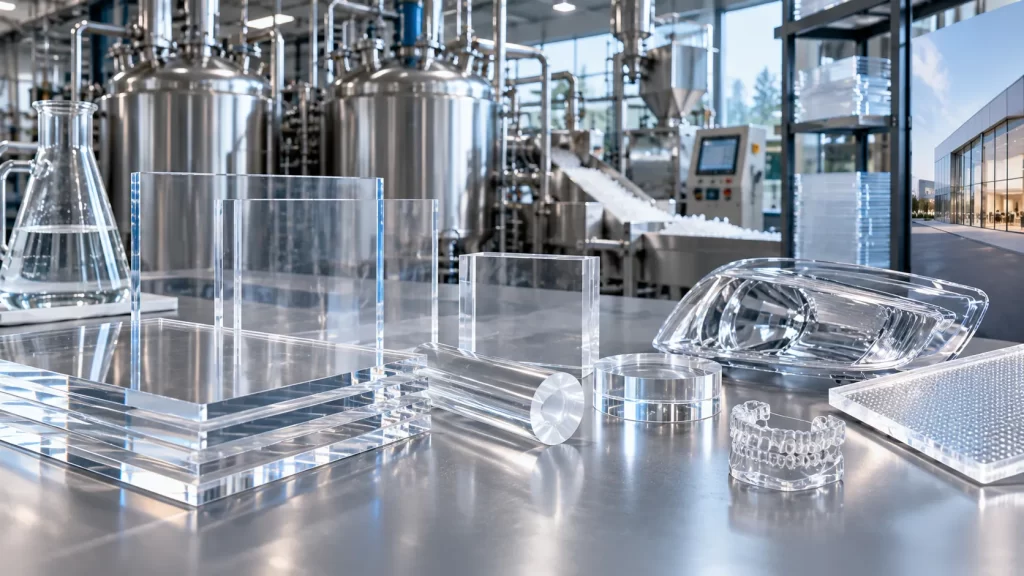
Poly methyl methacrylate is a transparent thermoplastic, widely known by trade names such as Plexiglas, Lucite, and Perspex. It serves as a lighter, shatter-resistant alternative to glass. The material is synthesized from the methyl methacrylate monomer, an ester of methacrylic acid.
Because of its exceptional optical clarity, high weather resistance, and ability to be processed easily, methyl methacrylate polymer has become a staple in modern manufacturing. Whether in the form of sheets, rods, or poly methyl methacrylate powder, this material provides designers and engineers with a reliable solution for projects requiring transparency and durability.
Structure of Poly Methyl Methacrylate
Understanding the poly methyl methacrylate structure is key to appreciating its properties. PMMA is an acrylic resin produced through the polymerization of methyl methacrylate.
Chemical Composition
Chemically, the repeating unit of PMMA consists of a carbon backbone with methyl and methacrylate ester side groups. This structure contributes to its amorphous nature, which is why the material is so transparent. Unlike crystalline polymers that scatter light, PMMA allows light to pass through with roughly 92% transmission.
While discussing structure, it is worth noting derivatives used in specialized applications, such as polyethylene glycol methyl ether methacrylate. This compound is often used in the synthesis of hydrogels and biocompatible materials, showcasing the flexibility of methacrylate chemistry.
Synthesis and Preparation of Poly Methyl Methacrylate
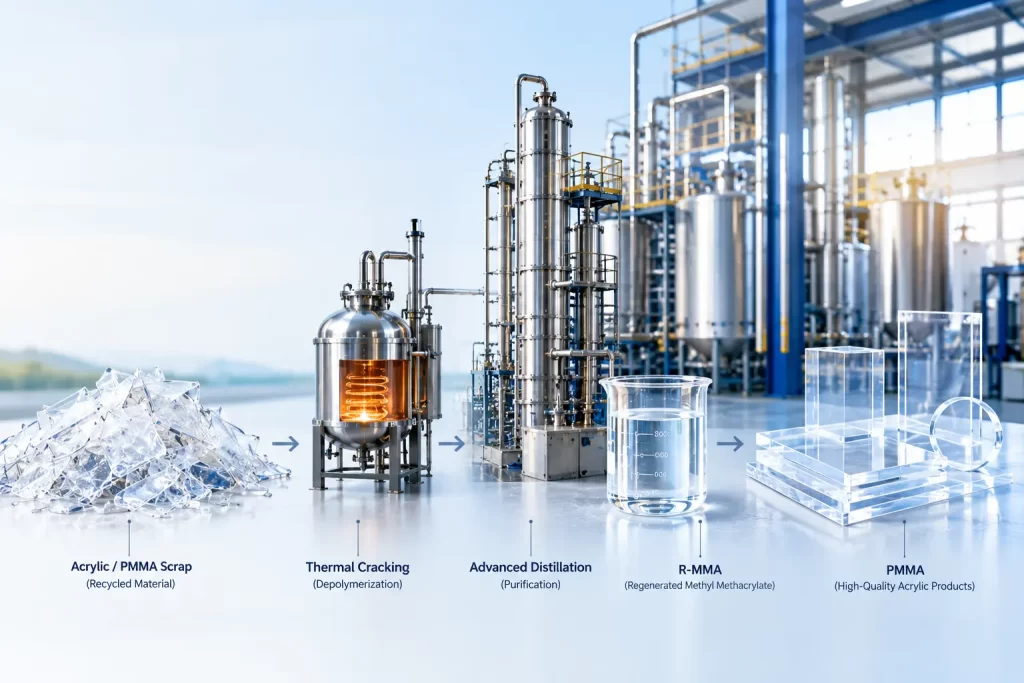
The preparation of poly methyl methacrylate is a fascinating chemical process. It begins with the methyl methacrylate monomer, a clear, colorless liquid with a characteristic acrid odor.
The Polymerization Process
Poly methyl methacrylate synthesis typically occurs via free-radical polymerization. This can be achieved through several methods:
- Bulk Polymerization: This method produces the purest form of PMMA, commonly used for cast sheets.
- Suspension Polymerization: This technique is often used to produce poly methyl methacrylate powder or beads. The monomer is suspended in water with a stabilizer, and polymerization occurs within the droplets.
- Emulsion Polymerization: Used for paints and coatings, creating extremely fine particles.
The synthesis of poly methyl methacrylate must be carefully controlled to manage heat, as the reaction is exothermic. The resulting polymer chains determine the material’s molecular weight, which directly impacts its impact resistance and melting behavior.
Properties of PMMA
To effectively use this material, one must understand its physical capabilities. Here are the key technical specifications:
- Transparency: Unmatched optical clarity, often exceeding that of glass.
- Density: The methyl methacrylate density (as a polymer) is approximately 1.18 g/cm³, which is less than half the density of glass.
- Melting Point: The melting point of poly methyl methacrylate is roughly 160°C (320°F), though it begins to soften around 105°C depending on the specific grade.
- Weather Resistance: It is highly resistant to UV light and weathering, making it ideal for outdoor use.
Uses of Poly Methyl Methacrylate
The poly methyl methacrylate uses are vast, spanning across consumer goods, industrial equipment, and medical technology.
Because of its high transparency and UV resistance, PMMA is extensively used for skylights, sound barriers on highways, and shatterproof windows. It maintains its clarity for years, unlike other plastics that yellow over time.
Car manufacturers utilize methyl methacrylate polymer for taillight covers, instrument clusters, and decorative exterior trim. Its lightweight nature helps improve fuel efficiency without sacrificing durability.
PMMA is biocompatible, making it a critical material in medicine. It is used for:
- Bone Cement: Poly methyl methacrylate powder is mixed with liquid monomer to create a grout used to fix orthopedic implants.
- Dental Prosthetics: It is a primary material for dentures and temporary crowns.
- Intraocular Lenses: Used to replace natural lenses in cataract surgeries.
Electronics and Lighting
Due to its ability to transmit light, it is used in LED screens, smartphone screens, and light guide panels.
Conclusion
From its robust structure to its versatile applications, Poly Methyl Methacrylate (PMMA) is truly a cornerstone of modern materials science. Whether utilized as poly methyl methacrylate powder in medical bone cement or as rigid sheets in architectural glazing, its unique properties offer solutions that traditional materials cannot match. By understanding the synthesis of poly methyl methacrylate and its fundamental monomer, methyl methacrylate, industries can continue to innovate and improve product performance.
If you are looking for high-quality acrylic solutions, explore MMA Chemicale’s range of products to find the perfect material for your specific needs.