
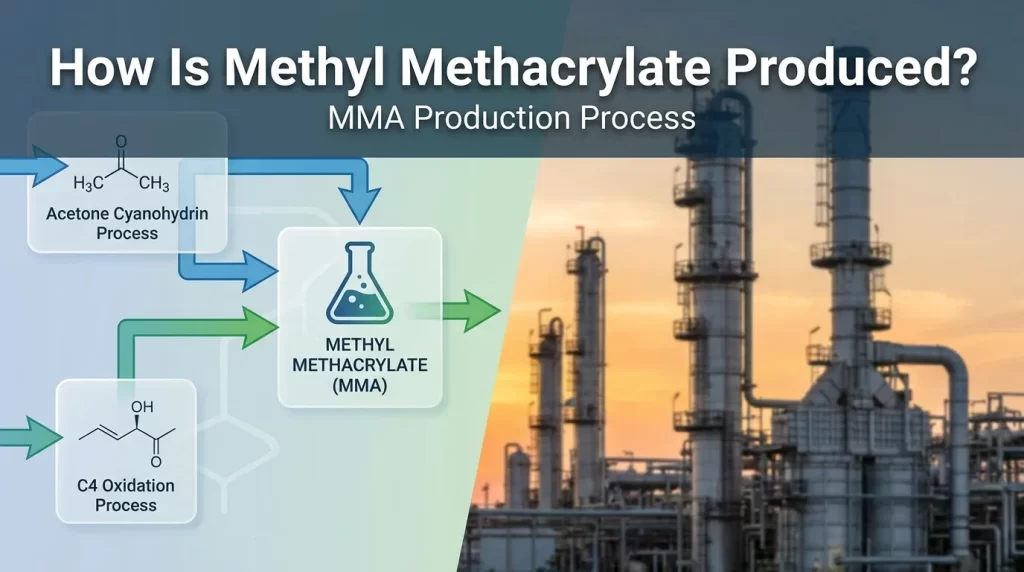

Step-by-Step MMA Production Process
Once the intermediate compounds are formed, the manufacturing process enters the final stages where Methyl Methacrylate is purified and prepared for industrial use. These stages are essential because even small impurities can affect the quality of acrylic sheets, coatings, adhesives, and other products made from MMA.
Step 1: Esterification
Esterification is one of the most important stages in the methyl methacrylate production process. During this step, the intermediate compound reacts with methanol under carefully controlled conditions to produce crude Methyl Methacrylate.
Manufacturers continuously monitor factors such as:
- Reaction temperature
- Pressure
- Catalyst performance
- Chemical concentration
- Reaction time
Maintaining these conditions helps maximize production efficiency while ensuring consistent product quality.
Step 2: Distillation and Purification
After esterification, the crude MMA contains impurities and by-products that must be removed before the material can be supplied to industrial customers.
Distillation separates Methyl Methacrylate from unwanted compounds by utilizing differences in boiling points. Modern production facilities often use multiple distillation columns to achieve very high purity levels.
The purified MMA is then stabilized to prevent premature polymerization during storage and transportation.
This stage is critical because high-purity MMA produces better results in downstream manufacturing processes.
Step 3: Quality Testing
Before MMA is released for commercial use, every production batch undergoes comprehensive laboratory testing.
Manufacturers typically evaluate:
- Chemical purity
- Color consistency
- Moisture content
- Density
- Stability
- Polymerization inhibitor levels
Only products that meet strict quality standards are approved for industrial distribution.
Quality Control in Methyl Methacrylate Manufacturing
Producing high-quality MMA requires continuous monitoring throughout every stage of production. Modern chemical manufacturing plants use advanced process control systems to maintain consistency and reduce production variations.
Quality control begins with raw material inspection and continues through synthesis, purification, packaging, and shipment.
Reliable manufacturers invest heavily in laboratory testing because consistent chemical quality directly affects customer production processes.
Strong quality control helps manufacturers achieve:
- Consistent acrylic sheet quality
- Improved coating performance
- Better adhesive strength
- Longer product life
- Reduced production defects
For industrial buyers, choosing a supplier with strict quality control standards reduces operational risks and improves manufacturing efficiency.
Environmental and Safety Considerations
The chemical industry continues to improve manufacturing technologies to reduce environmental impact while maintaining high production efficiency.
Modern facilities focus on:
- Reducing emissions
- Recovering valuable process materials
- Improving energy efficiency
- Minimizing chemical waste
- Recycling solvents wherever possible
Many manufacturers have also introduced cleaner production technologies that reduce hazardous by-products compared to traditional production methods.
Safety remains another major priority because several raw materials used during MMA production require specialized handling.
Industrial manufacturing plants follow strict procedures that include:
- Closed processing systems
- Continuous process monitoring
- Fire protection systems
- Employee safety training
- Emergency response planning
These practices help ensure safe manufacturing while protecting employees and the environment.
Industrial Applications of Produced Methyl Methacrylate
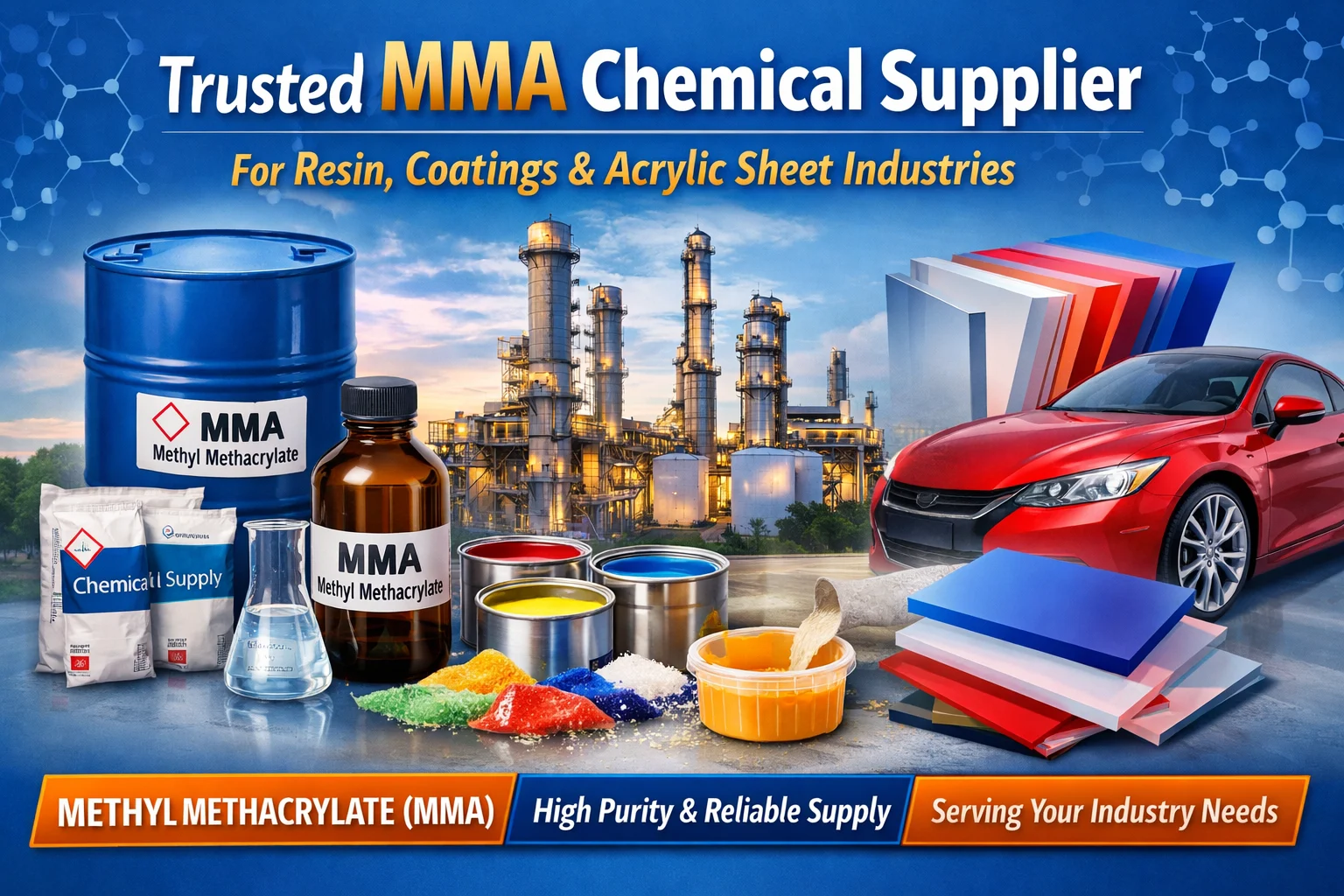
One reason the global demand for MMA continues to increase is its versatility. Once produced, Methyl Methacrylate becomes the primary raw material for numerous industrial products.
Acrylic Sheet Manufacturing
The largest share of MMA is used to manufacture PMMA acrylic sheets.
These sheets are widely used in:
- Signage
- Architectural glazing
- Display panels
- Furniture
- Machine guards
- Protective barriers
Their excellent transparency and weather resistance make them suitable for both indoor and outdoor applications.
Paints and Protective Coatings
MMA-based resins improve the durability and appearance of industrial coatings.
Benefits include:
- UV resistance
- Chemical resistance
- Long-lasting gloss
- Excellent outdoor performance
These coatings are commonly applied to buildings, vehicles, and industrial equipment.
Adhesives and Sealants
Industrial adhesives formulated with MMA provide excellent bonding performance for plastics, metals, and composite materials.
These adhesives are widely used in:
- Automotive manufacturing
- Construction
- Marine applications
- Electronics assembly
Medical and Dental Products
Medical-grade MMA is used in several healthcare applications because of its strength and reliability.
Examples include:
- Bone cement
- Dental prosthetics
- Medical devices
- Laboratory equipment
These specialized applications require exceptionally high-purity MMA.
Choosing a Reliable Methyl Methacrylate Supplier
Understanding how is methyl methacrylate produced is important, but selecting the right supplier is equally critical.
A reliable supplier provides more than just chemical products. They offer consistency, technical expertise, dependable logistics, and long-term supply stability.
When evaluating an MMA supplier, consider the following factors.
Product Quality
Choose suppliers that maintain strict manufacturing and testing standards to ensure consistent purity and performance.
Production Capacity
Industrial buyers should work with manufacturers capable of meeting both current and future production requirements.
Technical Support
Experienced suppliers provide guidance on storage, handling, transportation, and product selection.
Reliable Delivery
Consistent delivery schedules help manufacturers avoid costly production delays.
Industry Experience
Suppliers with extensive experience understand the quality requirements of different industries and can recommend suitable grades for specific applications.
Where to Source High-Quality Methyl Methacrylate
Businesses looking for dependable MMA supply should partner with manufacturers that combine quality production with reliable customer support.
If your company requires industrial-grade Methyl Methacrylate for acrylic sheets, coatings, adhesives, or other applications, explore the professional supply solutions offered by MMA Chemicals.
Learn more about their products and services here:
Methyl Methacrylate Supply Services:
https://mmachemicals.com/our-services-methyl-methacrylate/
Working with an experienced supplier helps ensure consistent product quality, dependable supply, and long-term manufacturing success.
Future of Methyl Methacrylate Manufacturing
As industries continue to adopt advanced materials, the future of MMA manufacturing is expected to focus on efficiency, sustainability, and innovation.
Several trends are shaping the industry.
Sustainable Production
Manufacturers are investing in cleaner technologies that reduce waste and energy consumption while maintaining product quality.
Higher Production Efficiency
Modern automation systems improve process accuracy, reduce downtime, and optimize production output.
Growing Industrial Demand
The increasing use of acrylic materials in automotive, construction, electronics, and healthcare industries will continue to drive global MMA demand.
Improved Recycling Technologies
Regenerated MMA and advanced recycling methods are becoming increasingly important as industries work toward circular manufacturing practices.
These developments will help manufacturers produce high-quality MMA while reducing environmental impact.
Conclusion
Understanding how is methyl methacrylate produced provides valuable insight into one of the world’s most important industrial chemicals. From carefully selected raw materials to advanced purification systems and strict quality control, every stage of the methyl methacrylate production process plays a critical role in delivering high-performance MMA for industrial applications.
Modern manufacturing technologies continue to improve production efficiency, product consistency, and environmental sustainability. As demand for acrylic sheets, coatings, adhesives, medical devices, and engineered plastics grows, the importance of high-quality MMA will continue to increase.
Whether you are a manufacturer, distributor, or industrial buyer, partnering with a trusted supplier ensures access to premium-quality MMA backed by reliable service and technical expertise.
MMA Chemicals supplies high-quality Methyl Methacrylate for a wide range of industrial applications. If you are looking for dependable bulk supply and expert support, visit the Methyl Methacrylate services page to learn more about available products and customized supply solutions.

Acrylic Sheet Best Uses: Applications, Benefits, and Industries
Acrylic Sheet Best Uses Applications, Benefits, and Industries Acrylic sheets are widely used as a lightweight, durable, and visually clear […]
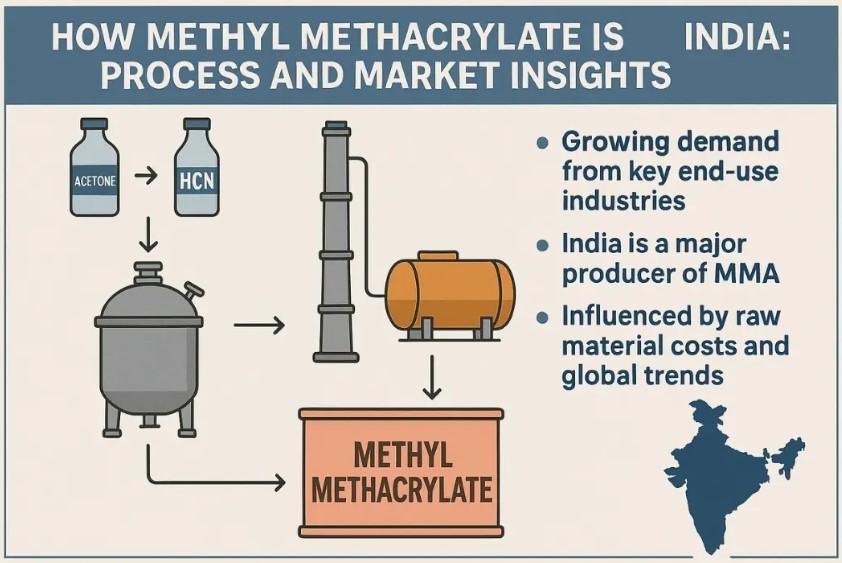
How Is Methyl Methacrylate Made? Complete MMA Production Process and Synthesis Guide
How Is Methyl Methacrylate Made? Complete MMA Production Process and Synthesis Guide Methyl Methacrylate (MMA) is an industrial monomer produced […]

MMA Chemical & Methyl Methacrylate
Methyl Methacrylate MMA Chemical Methyl Methacrylate, commonly known as MMA, is an important chemical building block used across the plastics, […]