
Why Use Methyl Methacrylate Monomer? Avoid Costly Pitfalls
Introduction: Understanding MMA Monomers in Construction
Methyl methacrylate monomer (MMA) plays a vital role in modern construction, offering unparalleled versatility in applications ranging from coatings to adhesives. Renowned for its fast-curing properties, MMA monomer enables rapid project completion without compromising durability or performance. A comprehensive guide to MMA highlights its unique properties, including resistance to weathering, chemical exposure, and mechanical stress — key attributes for demanding construction environments.
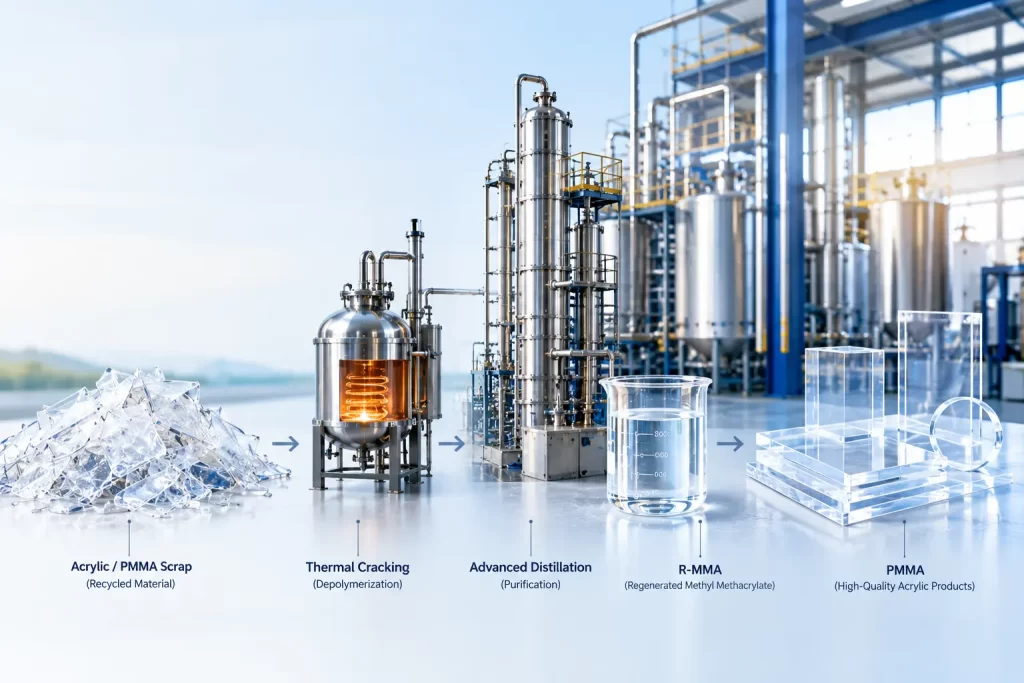
Beyond its functionality, regenerated MMA monomer provides cost-saving benefits, reducing manufacturing expenses while supporting the circular economy. Choosing the right MMA monomer supplier involves evaluating product quality, environmental impact, and supply chain reliability. Such considerations ensure smooth implementation of MMA applications while mitigating risks associated with improper material use.
What is Low-Quality MMA Monomer? Key Characteristics and Differentiators
Low-quality methyl methacrylate monomer can undermine the performance and reliability of products across various industries, especially in plastics and polymers. Unlike high-grade MMA monomer, inferior variants are characterized by impurities that compromise structural integrity, durability, and safety. These impurities may stem from substandard production practices or incomplete regeneration processes, impacting the environmental impact of MMA monomer production.
Quality differentiation hinges on purity levels, consistency, and adherence to stringent manufacturing standards. Selecting a supplier focused on regeneration and environmental sustainability ensures reduced risks and cost-saving benefits. Understanding MMA monomer properties, applications, and safety considerations is essential for avoiding costly pitfalls in manufacturing.
Initial Cost Savings vs. Long-Term Implications
Methyl methacrylate monomer (MMA) has garnered significant attention due to its diverse applications in plastics and polymers. While the initial cost savings of using standard MMA formulations or sourced regenerated MMA monomer may appeal to manufacturers, the long-term implications must be evaluated carefully.
- Short-Term Cost Benefits: Regenerated MMA offers immediate cost savings by reducing the environmental and financial burden of fresh monomer production. This aligns with the principles of the circular economy, directly lowering production costs in manufacturing.
- Long-Term Concerns: Improper supplier selection or subpar regeneration processes can compromise product quality, leading to defects, increased waste, and additional replacement expenses.
Choosing the right MMA monomer supplier ensures sustainability and balances cost-effectiveness with quality, mitigating these risks while advancing modern applications.
Structural Deterioration and Performance Inefficiencies
Structural deterioration and performance inefficiencies can arise in applications where lower-grade or improper materials are used instead of methyl methacrylate monomer (MMA). MMA monomer offers exceptional durability, resistance to wear, and structural stability, making it invaluable in the plastics and polymers industry. Without the robust properties provided by MMA, surfaces are prone to cracking, discoloration, and degradation under stress, significantly reducing service lifespan.
Performance inefficiencies are notably critical in high-demand applications such as coatings, adhesives, and resins. By incorporating the role of MMA monomer in modern applications, manufacturers can mitigate environmental impact, lower repair costs, and maintain consistent product quality.
Hidden Repair and Maintenance Costs
The role of MMA monomer in modern applications, particularly within the plastics and polymers industry, is undeniably pivotal. However, failing to choose the right MMA monomer supplier or overlooking product quality can lead to hidden repair and maintenance costs. Poorly manufactured materials may deteriorate faster, driving frequent equipment repairs. Additionally, alternatives lacking the durability of methyl methacrylate monomer increase long-term costs.
Choosing regenerated MMA monomer offers cost-saving benefits in manufacturing, as its enhanced quality reduces wear and tear while lowering production expenses. By leveraging a comprehensive guide to methyl methacrylate (MMA) properties, applications, and safety considerations, businesses can minimize unexpected expenses and ensure sustainable operations.
Impact on Construction Longevity and Durability
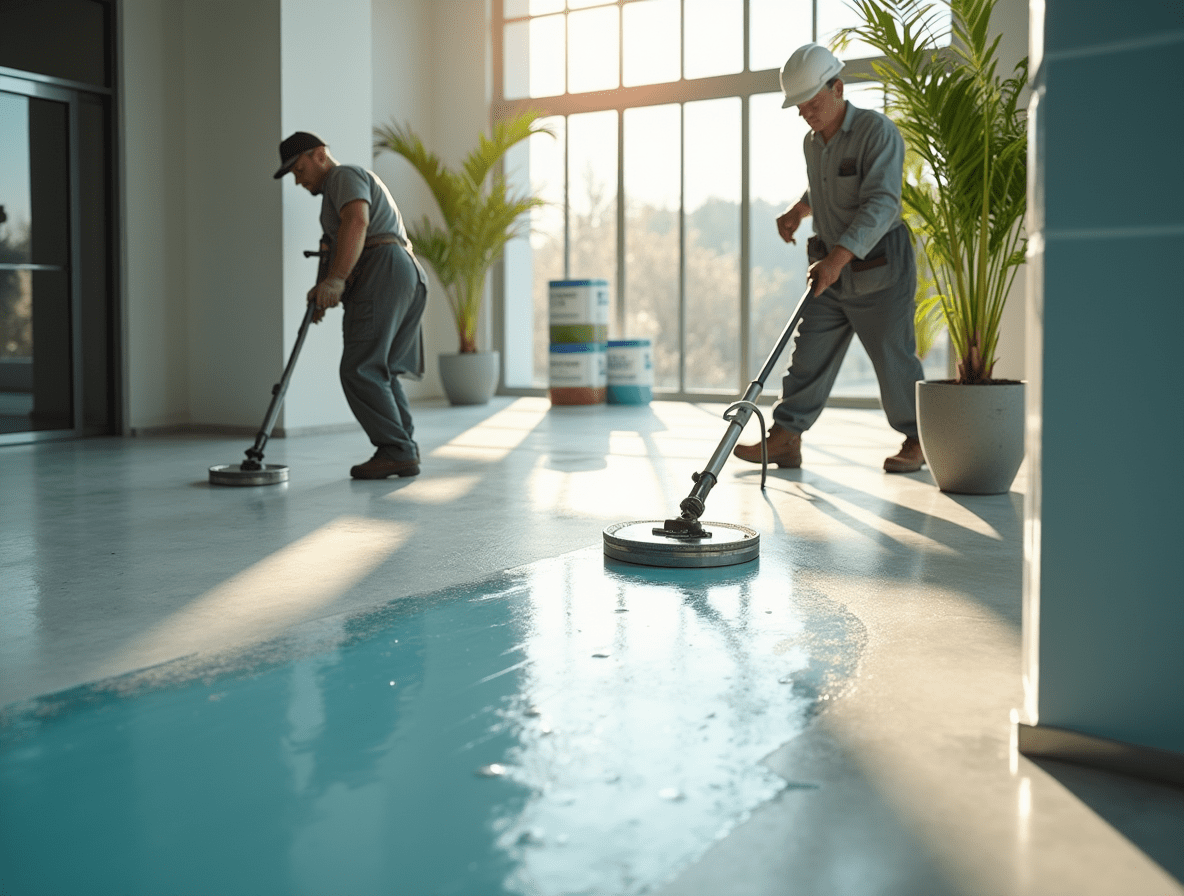
The use of methyl methacrylate monomer (MMA) plays a pivotal role in enhancing the longevity and durability of construction materials. Known for its superior bonding properties, MMA monomer is widely utilized in applications such as industrial flooring, waterproofing, and concrete repair. Its ability to form durable, weather-resistant coatings ensures extended material life even under harsh environmental conditions, reducing repair frequency.
The incorporation of regenerated MMA monomer further amplifies these benefits by delivering cost-effective solutions without compromising strength. By resisting UV degradation, thermal fluctuations, and chemical exposure, MMA-based materials outperform traditional alternatives, showcasing the role of MMA monomer in the plastics and polymers industry.
Safety Risks Associated with Substandard MMA Monomers
Substandard methyl methacrylate monomer poses significant safety risks, particularly in industrial and manufacturing applications. Impurities in low-quality MMA monomers can lead to instability during polymerization, potentially causing chemical reactions to become uncontrollable. This instability not only jeopardizes product quality but also increases the likelihood of accidents involving fires or toxic fume release.
Workers are at greater risk of exposure to hazardous contaminants in substandard MMA monomers, elevating health concerns such as respiratory irritation and skin sensitization. Additionally, poor-quality MMA compromises equipment integrity, leading to mechanical failures. Ensuring proper MMA monomer quality is crucial for safeguarding workplace safety, environmental compliance, and operational efficiency in industries like plastics and polymers.
Environmental Concerns and Compliance Issues
The environmental impact of MMA monomer production is a crucial consideration in modern industries. Understanding everything you need to know about methyl methacrylate (MMA) uses, risks, and alternatives highlights its role in sustainability challenges. MMA manufacturing can generate pollutive emissions, including volatile organic compounds (VOCs), which must comply with stringent environmental regulations. Regenerated MMA monomer plays a key role in reducing waste and supporting the circular economy, offering manufacturers cost-saving benefits while lowering production-related emissions.
Industries prioritizing responsible sourcing need to evaluate suppliers carefully. Choosing the right MMA monomer supplier involves assessing compliance with local and international environmental guidelines to ensure sustainable and ethical practices.
Reputation Damage for Contractors and Builders
Contractors and builders face significant risks when using inferior or unsuitable materials instead of high-quality options like methyl methacrylate monomer (MMA). The role of MMA monomer in modern applications, especially in plastics and polymers, underscores its importance in ensuring material reliability. Errors stemming from poor material selection can result in project failures, client dissatisfaction, and costly legal disputes. These setbacks not only inflate costs but also jeopardize professional credibility.
Choosing the right MMA monomer supplier becomes critical to avoid such issues. Leveraging a comprehensive guide to methyl methacrylate MMA properties, applications, and safety considerations allows professionals to make informed decisions. By focusing on cost-saving benefits of regenerated MMA monomer, contractors can enhance project quality while minimizing long-term risks. Moreover, the environmental impact of MMA monomer production emphasizes the significance of ethical material sourcing. Adopting durable, high-performing materials demonstrates responsibility, bolsters customer trust, and preserves reputations in highly competitive construction markets.
Cost-Benefit Analysis of Investing in High-Quality MMA Monomer
Investing in high-quality methyl methacrylate monomer (MMA monomer) is essential for manufacturers seeking durability, efficiency, and long-term savings. The role of MMA monomer in modern applications, such as plastics and polymer production, underscores the need for optimal product performance. High-grade MMA decreases waste and enhances material integrity, reducing the environmental impact of MMA monomer production and supporting sustainable practices like regeneration, which lowers production costs.
Selecting a trusted MMA monomer supplier ensures consistent quality, avoiding costly pitfalls from inferior materials. While initial costs may be higher, the cost-saving benefits of regenerated MMA monomer in manufacturing significantly outweigh alternatives in safety, efficiency, and lifecycle strength.
Key Indicators to Identify High-Quality MMA Monomers
When assessing the quality of methyl methacrylate monomer (MMA) for use in modern applications, including plastics, polymers, and other manufacturing processes, several critical indicators must be evaluated:
- Purity Levels: High-quality MMA monomer typically exceeds 99% purity, ensuring consistency and better performance in applications such as coatings, adhesives, and molded products.
- Stability and Shelf Life: Superior-grade MMA monomers demonstrate excellent chemical stability and extended shelf life, critical for cost-saving benefits in manufacturing.
- Regeneration Practices: Consider suppliers utilizing MMA monomer regeneration techniques, which reduce environmental impact and support the circular economy while lowering production costs.
- Supplier Transparency: A reliable supplier provides comprehensive technical data and safety considerations, vital for choosing the right MMA monomer.
Compliance Standards: Ensure the MMA adheres to international safety and environmental regulations to mitigate risks and enhance product sustainability.
Case Studies: Real-World Consequences of Using Low-Quality MMA
In industrial applications, choosing subpar methyl methacrylate monomer (MMA) can lead to significant setbacks. A manufacturing company once opted for a low-grade MMA source to cut costs; however, the inferior material caused polymer inconsistencies, leading to brittle end products. This sparked customer complaints and costly product recalls.
Another instance involved an automotive supplier that overlooked the role of MMA monomer quality. Poorly synthesized MMA compounds compromised the durability of their components, resulting in warranty claims and damaged brand reputation.
These examples highlight the critical need for stringent supplier selection criteria and the cost-saving benefits of utilizing high-grade or regenerated MMA monomers.
Expert Insights: Industry Perspectives on Material Choices
Professionals in manufacturing emphasize the importance of informed material selection. Methyl methacrylate monomer (MMA) stands out due to its versatile applications ranging from plastics and polymers to coatings, thanks to its durability and transparency. Industry experts highlight the cost-saving benefits of regenerated MMA monomer, particularly in reducing production expenses while supporting sustainability. Choosing the right MMA monomer supplier is crucial, as quality control and consistent supply directly impact operational efficiency. Furthermore, experts advocate for MMA monomer regeneration to align with circular economy goals and mitigate the environmental impact of MMA monomer production, addressing growing regulatory pressures in modern applications.
How to Avoid Hidden Costs: Effective Procurement Strategies
To minimize hidden costs when sourcing methyl methacrylate monomer (MMA), careful planning and strategic decisions are essential. Selecting a supplier with expertise in the role of MMA monomer in the plastics and polymers industry is crucial. Key factors include supplier transparency, cost-saving benefits of regenerated MMA monomer, and their commitment to sustainability.
Procurement teams should:
- Evaluate Suppliers: Choose vendors offering robust traceability and reliable quality control.
- Prioritize Regenerated MMA: Opt for regenerated MMA to lower production costs and support the circular economy.
- Assess Logistics: Identify suppliers with efficient, cost-minimizing delivery locations.
Implementing strategies that factor in these considerations reduces environmental impact and avoids unforeseen expenses.
Conclusion: Why Quality Should Never Be Compromised in Construction
The construction industry depends on the consistent application of quality materials, such as methyl methacrylate monomer (MMA), used extensively in adhesives, flooring, coatings, and polymers. Inferior materials risk structural integrity, operational efficiency, and long-term durability. Selecting MMA monomer not only enhances performance but also reduces costly failures, ensuring projects adhere to rigorous standards. The cost-saving benefits of regenerated MMA monomer, coupled with its crucial role in the plastics and polymers industry, underscore its value. Builders must prioritize proven materials and collaborate with reliable suppliers, selecting MMA solutions backed by advanced properties and sustainability considerations to safeguard against risks.
Frequently Asked Questions
Here are the frequently asked questions (FAQs) that provide essential information about MMA Chemicals and our Methyl Methacrylate (MMA) Monomer products. These FAQs are designed to address common inquiries and help you understand why MMA Chemicals is the preferred choice for MMA Monomer.
Evaluate the quality by checking key indicators like purity, physical properties, and compliance standards. Verify the supplier’s testing methods, batch consistency, and technical support.
Batch consistency ensures that each batch of regenerated MMA meets the same quality standards, reducing the risk of defects in your final products and maintaining production efficiency.
Look for certifications like ISO 9001 (quality management), ISO 14001 (environmental management), and compliance with industry-specific standards such as REACH and RoHS.
Best Acrylic Sheet Brands in India (2026) | DD Enterprises
Best Acrylic Sheet Brands in India 2026 Acrylic sheets have become one of the most widely used materials in India […]
Methyl Methacrylate (MMA) Uses in Industry: Applications in Acrylic Sheets, Coatings, and Adhesives
Methyl Methacrylate (MMA) Uses in Industry: Applications in Acrylic Sheets, Coatings, and Adhesives Methyl methacrylate (MMA) is a critical raw […]
What Is Methyl Methacrylate Monomer? Details, Uses, and How to Purchase
What Is Methyl Methacrylate Monomer? Details, Uses, and How to Purchase Methyl methacrylate monomer, commonly known as MMA, is a […]