Choosing the right material for your construction, decor, or industrial project is a critical decision. Among the most popular transparent materials today are acrylic sheet and glass. Each has unique characteristics, advantages, and drawbacks. This comprehensive guide will help you understand the differences between acrylic sheet vs glass, so you can decide which is better suited for your specific needs.
What is an Acrylic Sheet?
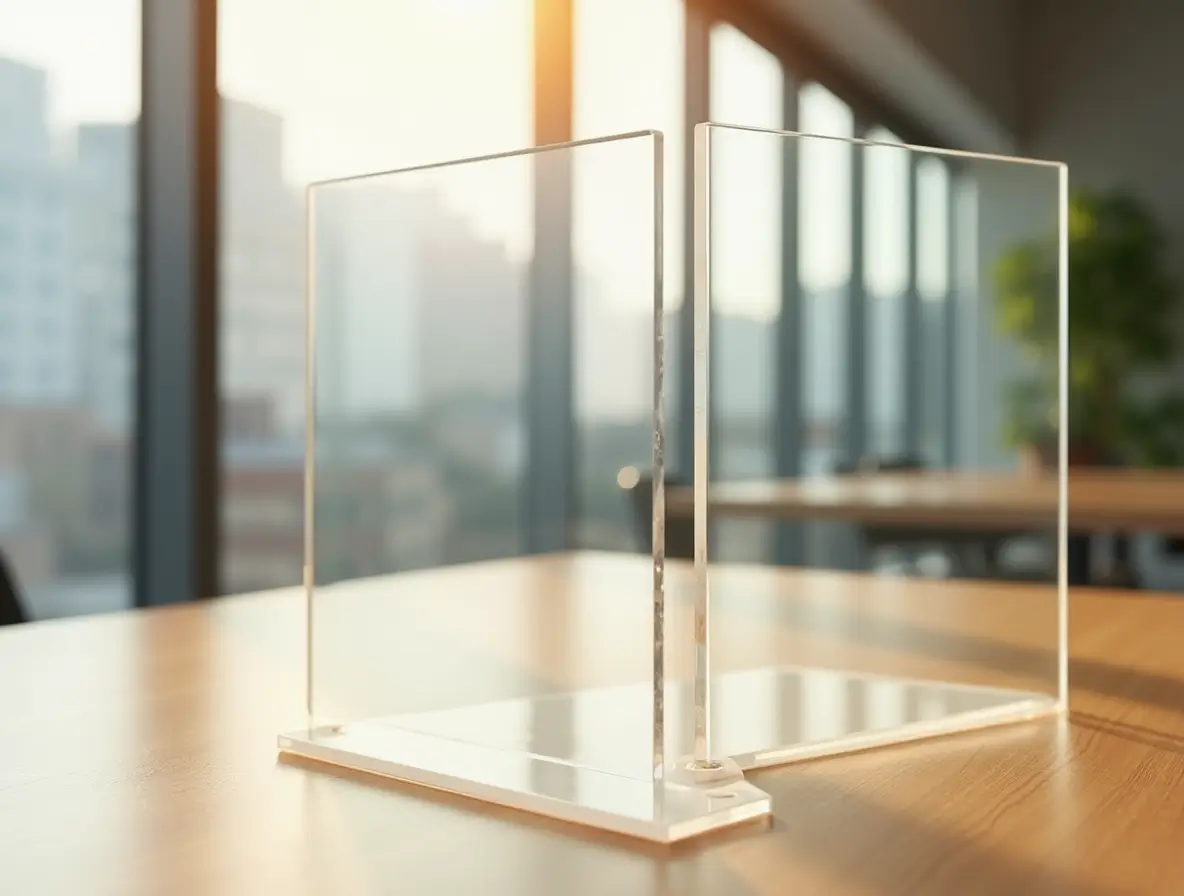
An acrylic sheet is a synthetic polymer commonly known as polymethyl methacrylate (PMMA). Acrylic sheets are lightweight, transparent thermoplastics that have gained widespread popularity due to their versatility and durability. They are also commonly called plexiglass or acrylic glass.
One of the most attractive features of the acrylic sheet is its optical clarity, often better than glass. It is also highly resistant to UV light and weathering, which makes it ideal for outdoor use. Unlike glass, acrylic sheet is flexible and easier to shape or fabricate. It is available in various thicknesses and colors, catering to diverse industrial and commercial applications.
Why Choose Acrylic Sheet?
- Acrylic sheet is about half the weight of glass, reducing transportation and installation costs.
- It has high impact resistance, meaning it’s far less likely to shatter.
- It can be easily cut, drilled, or polished with simple tools.
- Acrylic sheet offers excellent light transmission—up to 92%.
- It resists yellowing due to UV exposure.
- It provides a safe alternative in areas requiring impact resistance.
The wide range of benefits makes acrylic sheet a preferred choice in many sectors, including signage, automotive, home décor, and industrial uses.
What is Glass?
Glass is a hard, brittle material made mainly from silica sand. It has been used for centuries in windows, mirrors, lenses, and architectural elements. Glass is appreciated for its transparency, rigidity, and high resistance to scratches and chemical exposure.
Glass is heavier and denser compared to acrylic sheet. While it provides excellent optical clarity and scratch resistance, it is more prone to shattering and requires careful handling during installation.
There are several types of glass commonly used in construction and industrial projects, including:
- Tempered glass: Heat-treated for strength and safety.
- Laminated glass: Two or more glass layers bonded with a plastic interlayer for added safety.
- Float glass: Standard flat glass used in windows.
Acrylic Sheet vs Glass: Detailed Comparison
Choosing between acrylic sheet and glass requires evaluating multiple factors:
1. Weight
One of the most notable differences between acrylic sheet and glass is weight. Acrylic sheet weighs approximately half as much as an equivalent thickness of glass. This makes acrylic sheet easier to transport and install, especially for large panels.
For applications where weight is a concern—such as vehicle windows, aircraft, or large displays—acrylic sheet is the clear winner.
2. Impact Resistance and Safety
Acrylic sheet is significantly more impact-resistant than glass. While glass tends to crack or shatter when impacted, acrylic sheet can absorb shocks and is much less likely to break.
This makes acrylic sheet a safer option in high-traffic or safety-critical areas like schools, hospitals, and sports arenas. Additionally, acrylic sheet doesn’t produce sharp shards like broken glass, reducing injury risk.
3. Optical Clarity and Aesthetics
Both acrylic sheet and glass offer excellent clarity. Acrylic sheet has an advantage in light transmission, typically around 92%, while glass ranges around 89-90%.
Acrylic sheet can also be manufactured in various colors and finishes, offering more design flexibility. However, glass offers a classic, elegant look preferred for traditional architectural styles.
4. Scratch Resistance
Glass is harder and far more scratch-resistant than acrylic sheet. Acrylic sheet can scratch easily, but minor scratches can be polished out. Glass, while more durable on the surface, will require replacement if deeply scratched or damaged.
This factor is important in applications where surfaces are cleaned frequently or exposed to abrasive conditions.
5. Cost Effectiveness
Generally, acrylic sheet is less expensive than glass. The lower material cost combined with easier handling and installation can reduce overall project costs.
However, costs vary depending on thickness, quality, and finishing options. Glass may be preferred where budget is less of a concern but durability and aesthetics matter most.
6. Thermal Resistance
Glass withstands higher temperatures than acrylic sheet. Acrylic sheet has a melting point around 160°C (320°F), and can warp or deform under high heat. Glass can handle higher temperature ranges without distortion, making it ideal for ovens, laboratory equipment, or heated architectural applications.
7. Fabrication and Customization
Acrylic sheet is much easier to fabricate. It can be cut, drilled, bent, or polished with relatively simple equipment. Glass requires specialized cutting and finishing tools.
For custom shapes, sizes, or decorative features, acrylic sheet offers more versatility.
Common Applications of Acrylic Sheet vs Glass
Where Acrylic Sheet Shines
- Protective Barriers and Safety Shields: Acrylic sheet’s impact resistance and shatterproof nature make it ideal for sneeze guards and protective screens in offices and retail spaces.
- Signage and Displays: Acrylic sheet offers excellent clarity and can be easily colored, engraved, or printed on.
- Home Décor and Furniture: Modern furniture designers prefer acrylic sheet for its lightness and durability.
- Automotive and Aviation: Acrylic sheet is used for vehicle windows and aircraft canopies where weight reduction is critical.
- Aquariums and Terrariums: Acrylic sheet’s clarity and strength make it perfect for large aquarium tanks.
Where Glass is Preferred
- Windows and Doors: Glass offers rigidity and scratch resistance suitable for windows and doors in homes and commercial buildings.
- Laboratory Equipment: High thermal and chemical resistance make glass preferable for scientific uses.
- Solar Panels and Skylights: Glass withstands UV radiation and heat better than acrylic sheet.
- Mirrors: Glass mirrors offer superior reflectivity and durability.
- Architectural Features: For a traditional or high-end finish, glass is often chosen.
Environmental Impact and Sustainability
Both materials have environmental considerations:
- Acrylic Sheet: It is recyclable but requires specialized facilities. Its lightweight nature reduces carbon footprint during transport.
- Glass: Glass is 100% recyclable and can be reused endlessly without quality loss.
Sustainability goals may influence your choice depending on your project’s priorities.
Maintenance Tips for Acrylic Sheet and Glass
Maintaining Acrylic Sheet
- Clean with mild soap and water; avoid ammonia-based cleaners.
- Use a soft, non-abrasive cloth to prevent scratches.
- Minor scratches can be polished out with acrylic polishing kits.
Maintaining Glass
- Clean with commercial glass cleaners or vinegar solution.
- Avoid abrasive materials to prevent scratches.
- Repair or replace cracked or chipped glass promptly.
How to Choose the Right Material for Your Project?
Consider the following:
- Safety Needs: For impact resistance, acrylic sheet is better.
- Budget: Acrylic sheet usually saves money.
- Aesthetic Preference: Glass for classic looks.
- Heat Exposure: Glass for high temperature environments.
- Customization: Acrylic sheet is easier to fabricate.
Conclusion
In the debate between acrylic sheet vs glass, neither is universally better it depends on your project needs. For lightweight, durable, and versatile solutions, acrylic sheet is often the preferred choice. For applications demanding superior scratch resistance and heat tolerance, glass remains unbeatable.
By understanding the key differences and matching them with your specific requirements, you can confidently select the material that will make your next project successful.
Ready to Buy High-Quality Acrylic Sheets?
At MMA Chemicals, we specialize in premium acrylic sheet solutions tailored for every industry. Whether you need sheets for industrial, commercial, or decorative purposes, our expert team is here to help you choose the perfect product.
Contact us today for a consultation or request a quote. Make your next project stand out with the best acrylic sheets on the market.