Acrylic Sheet Best Uses
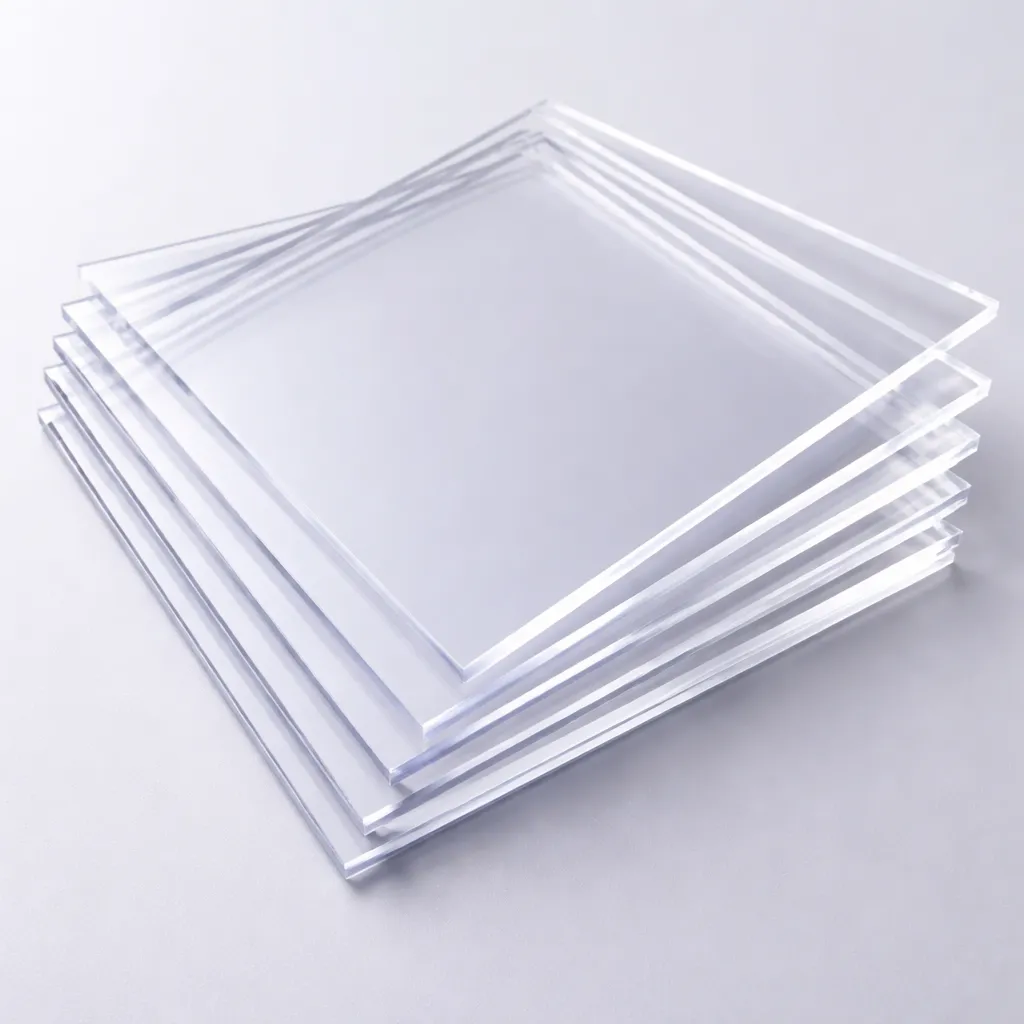
Acrylic sheets are widely used as a lightweight, durable, and visually clear alternative to glass. Also known as acrylic plastic or PMMA sheet, acrylic is available in clear, colored, frosted, textured, and specialty grades for different applications.
From retail displays and signage to construction, lighting, automotive components, and industrial equipment, the best uses of acrylic sheets depend on their optical clarity, weather resistance, surface finish, thickness, color, and fabrication requirements.
If you are comparing materials for a project, understanding the main acrylic sheet uses and applications can help you select the right sheet for your specific requirements.
What Is an Acrylic Sheet?
An acrylic sheet is a rigid thermoplastic material made primarily from poly methyl methacrylate (PMMA). It is manufactured in different grades and production methods, including cast acrylic and extruded acrylic.
Acrylic sheets are known for several useful properties:
- Excellent optical clarity
- Lightweight construction
- Good weather resistance
- Smooth surface finish
- Good UV resistance
- Easy cutting and fabrication
- Wide range of colors and finishes
- Good dimensional stability
- Suitable for indoor and outdoor applications
Clear acrylic can provide glass-like transparency while weighing significantly less than glass. This combination makes it useful across commercial, architectural, industrial, and consumer applications.
What Are the Best Uses of Acrylic Sheets?
Acrylic sheets are used in far more applications than basic signage or displays. Their combination of high optical clarity, low weight, smooth surface finish, weather resistance, and easy fabrication makes them suitable for commercial, architectural, industrial, automotive, lighting, and interior applications.
Also known as PMMA sheets or acrylic plastic sheets, they are available in clear, colored, translucent, frosted, textured, and specialty finishes. The right type depends on the application’s performance, appearance, thickness, and fabrication requirements.
Here are some of the most common and practical acrylic sheet uses and applications.
Types of the Best Uses of Acrylic Sheets
Acrylic sheets are used across many industries because they offer a practical combination of optical clarity, lightweight construction, weather resistance, surface finish, and fabrication flexibility. The best application depends on the acrylic sheet type, thickness, finish, transparency, and required performance.
Here are the major types of acrylic sheet uses and applications:
1. Acrylic Sheet Displays, Signage & Promotional Products
Acrylic sheet displays are widely used in retail, advertising, and commercial environments. Clear, colored, translucent, and opaque acrylic sheets can be fabricated into customized displays and signage.
Common uses include:
Product display stands
Retail and countertop displays
Shop and business signs
LED and backlit signs
Company name boards
Reception signs
Advertising panels
3D lettering
Menu and price holders
Brochure holders
Cosmetic and jewelry displays
Promotional stands
Acrylic can be cut, drilled, polished, engraved, bent, and fabricated into custom shapes, making it suitable for both standard displays and custom promotional products.
2. Architectural & Interior Applications
Acrylic sheets are used in modern architecture and interior design where transparency, light transmission, privacy, and appearance are important.
Typical applications include:
Interior partitions
Room dividers
Privacy screens
Decorative wall panels
Door inserts
Transparent panels
Decorative glazing
Furniture components
Frosted, textured, and translucent acrylic sheets are particularly useful when designers want light transmission while reducing direct visibility.
3. Acrylic Sheets for Lighting Applications
Acrylic’s light transmission properties make it suitable for various lighting products and systems.
Common applications include:
LED light panels
Light diffusers
Ceiling light covers
Lamp covers
Light boxes
Sign lighting
Decorative lighting
Diffused acrylic can help distribute light more evenly, while clear acrylic can be used where higher transparency is required.
4. Construction & Building Applications
Acrylic sheets are used in construction where lightweight materials, visual appearance, transparency, and weather resistance are required.
Applications include:
Glazing panels
Skylight components
Transparent barriers
Interior partitions
Decorative architectural elements
Protective screens
Wall and ceiling features
For outdoor applications, the acrylic grade should be selected based on UV exposure, temperature variation, thickness, installation method, and expected service conditions.
5. Automotive & Transportation Applications
Selected acrylic materials are used in automotive and transportation applications because they can provide transparency, relatively low weight, and design flexibility.
Potential applications include:
Lighting components
Interior components
Display covers
Decorative panels
Transparent protective components
The appropriate acrylic grade should be selected according to the required optical, mechanical, thermal, chemical, and weathering properties.
6. Acrylic Furniture & Interior Products
Acrylic sheets are popular in furniture manufacturing and interior products because they can create a modern, clean, and lightweight visual appearance.
Manufacturers and designers use acrylic for:
Tables
Shelves
Cabinet doors
Decorative panels
Furniture inserts
Display furniture
Room dividers
Clear acrylic can create a transparent appearance, while colored and opaque acrylic can add a stronger decorative element.
7. Protective Screens, Covers & Transparent Barriers
Acrylic sheets can be used wherever a transparent physical barrier is required without completely blocking visibility.
Common applications include:
Reception barriers
Counter screens
Laboratory partitions
Display protection
Equipment covers
Transparent panels
Machine-area barriers
The appropriate sheet thickness and grade should be selected according to the application’s physical loads, impact requirements, and operating environment.
For applications requiring very high impact resistance, polycarbonate may be more appropriate than acrylic.
8. Industrial Equipment & Machine Components
Acrylic sheets are used in industrial applications where operators need visibility while maintaining a transparent separation around equipment.
Typical applications include:
Machine covers
Inspection windows
Equipment guards
Instrument covers
Transparent enclosures
Viewing panels
Industrial displays
Before using acrylic in industrial equipment, manufacturers should evaluate temperature, impact, chemical exposure, thickness, and operating conditions.
9. Medical, Laboratory & Scientific Applications
Certain acrylic grades can be used for medical, laboratory, and scientific products where transparency and fabrication flexibility are required.
Applications may include:
Equipment covers
Laboratory partitions
Transparent enclosures
Instrument components
Display components
Protective panels
The selected acrylic grade should be checked for compatibility with cleaning chemicals, sterilization procedures, temperature conditions, and applicable technical requirements.
10. Aquariums, Observation Panels & Display Structures
Acrylic is commonly used for aquariums, observation panels, display cases, and other transparent structures.
Its combination of clarity, relatively low weight, and fabrication flexibility makes it suitable for custom transparent designs and large panels.
For large or structural applications, sheet thickness and overall design should be properly evaluated according to the expected loads and service conditions.
Which Acrylic Sheet Use Is Right for Your Application?
The right acrylic sheet depends on more than the application name. Buyers should consider:
Thickness: Determines stiffness, weight, and fabrication requirements.
Transparency: Clear, translucent, opaque, frosted, and colored options provide different visual results.
Surface finish: Glossy, matte, textured, and specialty finishes suit different applications.
Indoor or outdoor use: Outdoor applications require appropriate weather and UV resistance.
Fabrication method: Cutting, drilling, bending, machining, polishing, and thermoforming may require specific sheet characteristics.
Chemical exposure: Industrial applications should be checked for compatibility with solvents, oils, cleaners, and other chemicals.
Impact requirements: Where high impact resistance is essential, another thermoplastic such as polycarbonate may be more suitable.
This makes acrylic sheet selection an application-specific decision rather than a one-size-fits-all choice.

Clear Acrylic Sheet Uses
Clear acrylic sheets are among the most versatile acrylic products available.
Their transparency makes them suitable for applications where visibility and appearance are priorities.
Some common clear acrylic sheet uses include:
- Display cases
- Signage
- Architectural glazing
- Lighting panels
- Protective screens
- Machine windows
- Retail displays
- Furniture
- Aquarium panels
- Product showcases
Clear acrylic is often selected when designers want the appearance of glass without using a heavier material.
Industrial Acrylic Sheet Applications
Industrial applications require more than appearance. Material selection must consider operating conditions and performance requirements.
Industrial acrylic sheets may be used for:
- Equipment covers
- Machine inspection windows
- Industrial displays
- Protective panels
- Transparent enclosures
- Lighting systems
- Process equipment components
When purchasing acrylic for industrial use, buyers should evaluate thickness, sheet type, temperature exposure, chemical compatibility, impact requirements, and fabrication method.
Acrylic Sheet Uses Across Different Industries
Acrylic has a broad application range because it combines optical properties with fabrication flexibility.
| Industry | Common Acrylic Sheet Uses |
|---|---|
| Construction | Glazing, partitions, decorative panels |
| Retail | Displays, shelves, product showcases |
| Advertising | Signs, illuminated displays, lettering |
| Lighting | Diffusers, light boxes, LED covers |
| Automotive | Lighting and interior components |
| Industrial | Machine covers, inspection windows |
| Furniture | Tables, panels, shelves |
| Healthcare | Equipment covers and partitions |
| Architecture | Decorative and transparent panels |
Cast Acrylic vs Extruded Acrylic for Different Uses
Both cast and extruded acrylic sheets are made from PMMA, but their manufacturing processes differ.
Cast acrylic is produced by polymerizing MMA between molds. It is often preferred where excellent optical quality, surface finish, thickness options, and fabrication characteristics are important.
Extruded acrylic is produced through an extrusion process and is commonly selected for applications requiring consistent thickness and efficient large-scale production.
The right option depends on the application rather than simply choosing one type for every project.
How to Choose the Right Acrylic Sheet
Choosing an acrylic sheet requires more than selecting a color or thickness.
Consider the following factors:
Application
Determine whether the sheet will be used for signage, glazing, displays, machinery, furniture, lighting, or another application.
Thickness
Acrylic sheet thickness affects stiffness, weight, fabrication, and structural performance.
Transparency
Choose clear, translucent, opaque, frosted, or colored acrylic depending on the required appearance and light transmission.
Indoor or Outdoor Use
Outdoor applications require consideration of UV exposure, temperature changes, moisture, and weathering.
Fabrication Requirements
If the sheet will be laser cut, machined, drilled, polished, bent, or thermoformed, select a grade suitable for the required fabrication process.
Chemical Exposure
Industrial environments may expose acrylic to cleaning agents, solvents, oils, or other chemicals. Confirm chemical compatibility before selecting the material.
Why Acrylic Sheets Are Used Instead of Glass
Acrylic is often considered when a project needs transparency but also benefits from lower weight and easier fabrication.
Compared with conventional glass, acrylic can offer:
- Lower weight
- Easier machining
- Greater design flexibility
- Wide color availability
- Easy polishing
- Good weather resistance
However, acrylic and glass have different performance characteristics. The right material depends on the project’s optical, thermal, impact, chemical, structural, and safety requirements.
Why Buy High-Quality Acrylic Sheets?
The quality of an acrylic sheet can affect both its appearance and performance.
High-quality acrylic sheets can provide:
- Consistent thickness
- Better optical clarity
- Uniform surface finish
- Reliable fabrication performance
- Better dimensional consistency
- Improved long-term appearance
For commercial and industrial projects, buyers should request technical specifications and select material based on the actual application.
Frequently Asked Questions About Acrylic Sheet Uses
Acrylic sheets are commonly used for signage, retail displays, lighting panels, architectural applications, furniture, protective screens, machine covers, and transparent enclosures.
Yes, suitable acrylic grades can be used outdoors because acrylic generally offers good weather and UV resistance. The specific grade, thickness, installation method, and environmental conditions should be considered.
Clear acrylic sheets are particularly suitable for display cases, signage, glazing, lighting, protective panels, machine windows, furniture, and applications requiring high visibility.
Cast acrylic is produced through cell casting and is often selected for optical quality and fabrication characteristics. Extruded acrylic is produced through extrusion and is commonly used where efficient production and consistent thickness are priorities.
Acrylic can be preferable when low weight, easy fabrication, design flexibility, and impact performance compared with glass are important. Glass may be preferable for applications requiring specific thermal, scratch, or structural characteristics.
Construction, retail, advertising, lighting, automotive, industrial manufacturing, furniture, healthcare, architecture, and display industries all use acrylic sheets.
Conclusion
The best uses of acrylic sheets range from simple retail displays and signage to demanding industrial, architectural, lighting, and manufacturing applications. Their combination of transparency, lightweight construction, weather resistance, surface finish, and fabrication flexibility makes acrylic a versatile material for many industries.
The most suitable acrylic sheet depends on the application, required thickness, optical properties, environmental exposure, fabrication method, and performance requirements.
For manufacturers, architects, fabricators, and industrial buyers, selecting the right acrylic grade and sheet type is essential for achieving reliable results.
If you are looking for cast acrylic sheets for commercial or industrial applications, review the available product specifications and choose a sheet based on your project’s technical requirements.
Acrylic Sheet Best Uses: Applications, Benefits, and Industries
Acrylic Sheet Best Uses Applications, Benefits, and Industries Acrylic sheets are widely used as a lightweight, durable, and visually clear […]
How Is Methyl Methacrylate Made? Complete MMA Production Process and Synthesis Guide
How Is Methyl Methacrylate Made? Complete MMA Production Process and Synthesis Guide Methyl Methacrylate (MMA) is an industrial monomer produced […]
MMA Chemical & Methyl Methacrylate
Methyl Methacrylate MMA Chemical Methyl Methacrylate, commonly known as MMA, is an important chemical building block used across the plastics, […]