Methyl methacrylate is a key compound in the global chemical industry, widely recognized for its diverse industrial applications, excellent durability, and role in shaping future materials. As of 2025, methyl methacrylate continues to be a cornerstone of several high-growth sectors, ranging from construction and automotive to healthcare and electronics. This complete guide explores every crucial facet of methyl methacrylate, covering its production, chemical and physical properties, wide-ranging uses, and emerging trends that are defining the market.
What Is Methyl Methacrylate?
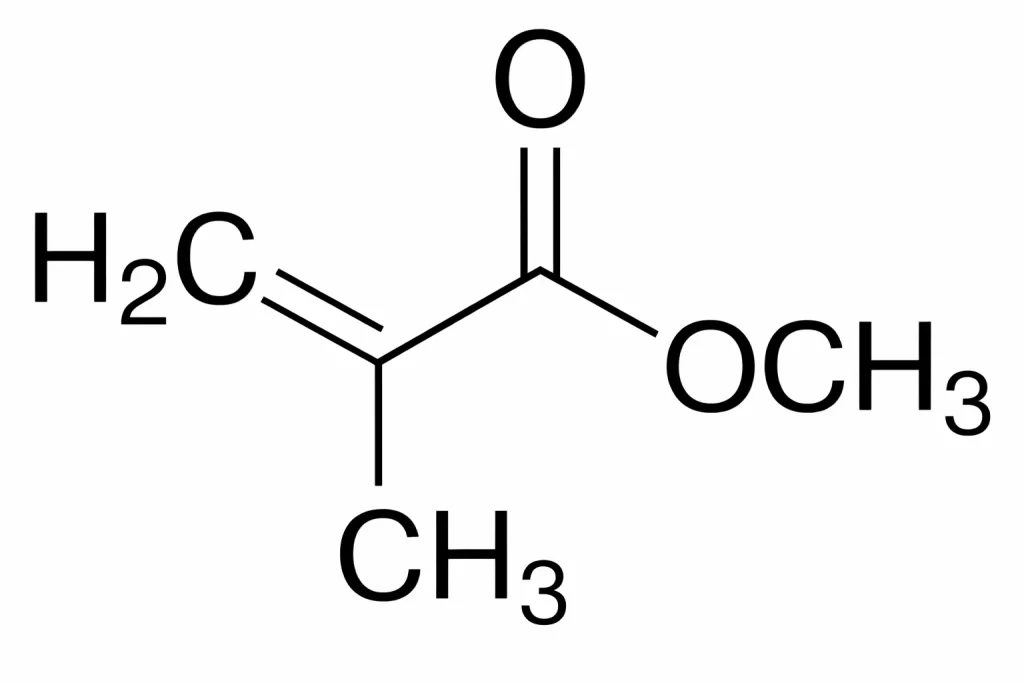
Methyl methacrylate is a colorless, flammable liquid with a strong, sharp odor. It is primarily used as a monomer to produce polymethyl methacrylate (PMMA), commonly known as acrylic or acrylic glass. Methyl methacrylate is valued for its transparency, weather resistance, and lightweight nature. Chemically, it belongs to the methacrylate family and is classified as an ester of methacrylic acid.
Derived mainly from acetone, hydrogen cyanide, and methanol, methyl methacrylate is produced via two major industrial processes: the acetone cyanohydrin (ACH) process and the newer ethylene-based process. These production techniques vary in their environmental impact, energy efficiency, and raw material requirements, but both serve the global demand efficiently.
Physical and Chemical Properties of Methyl Methacrylate
Understanding the methyl methacrylate properties is crucial for industrial applications. The compound features several essential chemical and physical characteristics that make it a preferred substance across industries:
- Molecular formula: C5H8O2
- Boiling point: 101°C
- Melting point: -48°C
- Density: 0.94 g/cm³
- Flash point: 10°C
- Solubility: Slightly soluble in water but miscible with most organic solvents
These properties make methyl methacrylate an ideal choice for manufacturing acrylic sheets, adhesives, coatings, inks, and specialty resins. Its excellent optical clarity and UV resistance contribute significantly to its popularity.
Applications of Methyl Methacrylate
1. Construction Industry
In construction, methyl methacrylate is extensively used in producing acrylic sheets for skylights, windows, signage, and protective barriers. Leading acrylic sheets manufacturers and suppliers in India utilize this compound for its UV resistance, weatherability, and strength, making it an ideal material for outdoor and structural applications. If you’re looking for quality acrylic sheet manufacturers in India, they primarily use high-grade methyl methacrylate. Additionally, methyl methacrylate-based resins are utilized in flooring and road markings, especially where durability and fast curing are essential.
2. Automotive Sector
Methyl methacrylate plays a vital role in the automotive industry. Its use in exterior lighting covers, instrument panels, and trim components is widespread due to its optical clarity and resistance to weathering. The lightweight nature of PMMA made from methyl methacrylate helps manufacturers reduce vehicle weight, improving fuel efficiency.
3. Medical and Healthcare
Methyl methacrylate is critical in medical applications such as bone cement for orthopedic surgeries, dental prosthetics, and drug delivery systems. Its biocompatibility and resistance to degradation make it suitable for long-term use in the human body.
4. Electronics and Optics
In electronics, methyl methacrylate is utilized in producing light-diffusing panels, LED covers, and flat-panel displays. It offers excellent light transmission and thermal stability. In optics, it is used in lenses, optical fibers, and precision instruments requiring high clarity.
5. Paints and Coatings
Methyl methacrylate is a key ingredient in manufacturing high-performance paints, lacquers, and coatings. MMA in coatings and paints provides excellent weather resistance, high gloss, and scratch resistance. Architectural coatings, marine paints, and traffic markings benefit significantly from its superior properties.
6. Adhesives and Sealants
The adhesive industry employs methyl methacrylate in high-performance bonding solutions. It offers strong adhesion to metals, plastics, and composites, making it suitable for aerospace, automotive, and construction assemblies.
Environmental Considerations and Sustainability
With the growing emphasis on sustainability, methyl methacrylate production is undergoing significant evolution. The shift toward greener technologies, such as bio-based methyl methacrylate production, is gaining traction. Processes that minimize waste, use renewable feedstocks, and reduce energy consumption are being developed to meet regulatory and environmental goals.
Recycling PMMA is also gaining popularity, especially as the demand for sustainable building and packaging materials rises. Methyl methacrylate recovered from recycled PMMA contributes to a circular economy and reduces the environmental footprint of virgin materials.
Market Trends for Methyl Methacrylate in 2025
1. Surge in Demand for Acrylic Sheets
The post-pandemic world saw a surge in demand for acrylic barriers, dividers, and protective equipment. Methyl methacrylate continues to fuel this demand, especially in public infrastructure, retail, and healthcare settings.
2. Growing Preference for Lightweight Materials
Industries such as aerospace, automotive, and construction are increasingly shifting to lightweight, durable alternatives. Methyl methacrylate-derived PMMA perfectly fits this need. It offers strength without adding bulk, aligning with fuel efficiency and sustainability goals.
3. Increasing Use in Smart Technologies
Smart windows, light diffusers for LED systems, and modern lighting panels all utilize methyl methacrylate. As smart infrastructure becomes more commonplace, methyl methacrylate is poised for even greater growth.
4. Rising Focus on Healthcare Infrastructure
Emerging economies are investing in healthcare infrastructure. Methyl methacrylate finds significant application in medical equipment, devices, and hospital construction materials, driving consistent demand.
5. Shift Toward Green Chemistry
Manufacturers are transitioning to more eco-friendly production processes for methyl methacrylate, including CO2-based and bio-derived raw materials. This not only reduces emissions but also aligns with ESG goals.
Safety and Handling of Methyl Methacrylate
Methyl methacrylate, while versatile, must be handled carefully. It is flammable and volatile. Adequate ventilation, use of protective equipment, and fire safety precautions are essential during storage and handling. Safety data sheets (SDS) must be consulted before use, and proper training provided to personnel working with the substance.
The vapor of methyl methacrylate can cause respiratory irritation, and prolonged skin contact should be avoided. In industrial settings, closed systems and automated monitoring are recommended to reduce exposure risks.
Regulatory Landscape for Methyl Methacrylate
In 2025, global regulations continue to evolve to ensure the safe use of methyl methacrylate. Agencies like the U.S. EPA, REACH (Europe), and others have set permissible exposure limits and workplace safety guidelines. Manufacturers must comply with these standards while reporting on chemical use and emissions.
Governments are also supporting research into sustainable methyl methacrylate production through grants and public-private partnerships, promoting innovation while ensuring public health and environmental safety.
Future Outlook: What Lies Ahead for Methyl Methacrylate?
The future of methyl methacrylate is tightly linked with advancements in material science, green chemistry, and circular economy principles. In the coming years, the demand for high-performance, recyclable materials is expected to increase, placing methyl methacrylate at the forefront of material innovation.
Researchers are developing new polymerization techniques that enhance the properties of methyl methacrylate-derived materials. Applications in nanocomposites, biodegradable plastics, and flexible electronics are on the horizon.
Additionally, developing markets in Asia-Pacific, Latin America, and Africa are projected to experience high growth in methyl methacrylate consumption due to rapid urbanization, infrastructure development, and technological adoption.
Conclusion
Methyl methacrylate remains an essential building block in modern material science. Its versatility, durability, and adaptability make it integral to numerous sectors. As industries evolve, sustainability goals tighten, and new technologies emerge, methyl methacrylate is poised to remain at the heart of innovation.
In 2025, the methyl methacrylate market is not just expanding—it’s transforming. From enabling lightweight vehicles and resilient infrastructure to powering advanced medical tools and electronics, methyl methacrylate is shaping the world we live in.
Looking to buy methyl methacrylate monomer for PMMA manufacturing in India? Discover how we can support your manufacturing needs with high-quality products and solutions.
Investing in this compound today means investing in a future defined by performance, efficiency, and sustainability. Learn more about how we can support your business by exploring our services for methyl methacrylate.
By staying informed about methyl methacrylate, manufacturers, researchers, and businesses can leverage its full potential and align with the global movement toward smarter, cleaner, and more resilient materials.