
MMA Chemicals

7 Methyl Methacrylate Troubleshooting Tips for Chemical Suppliers

7 Methyl Methacrylate Troubleshooting Tips Suppliers Should Know

Methyl Methacrylate (MMA) troubleshooting tips for chemical suppliers: safe handling, storage, and polymerization prevention

Understanding the Basics of Methyl Methacrylate: Key Insights for Chemical Suppliers

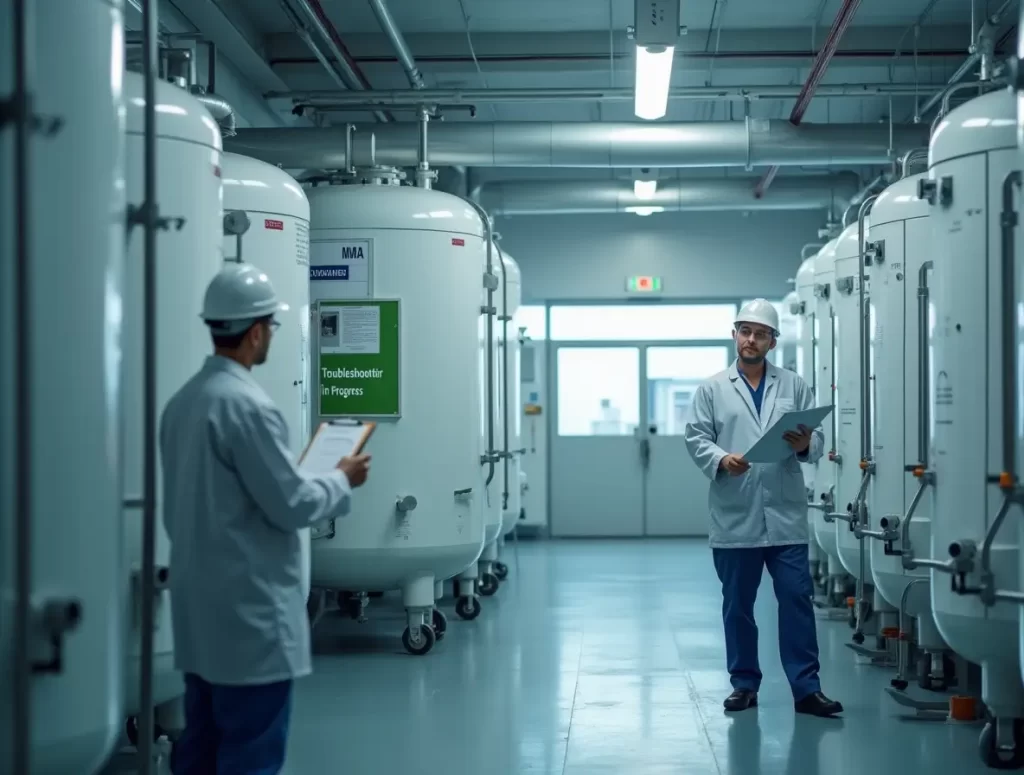
Methyl methacrylate (MMA) serves as a critical raw material in industries ranging from coatings to adhesives. It is valued for its outstanding clarity, durability, and chemical resistance. Chemical suppliers must grasp its properties, handling requirements, and storage conditions to ensure product integrity and customer satisfaction.

Key attributes include:

  • Volatility and Susceptibility to Thermal Polymerization: Requires controlled storage under inert atmospheres like nitrogen.
  • Interaction with Stabilizers: Helps prevent premature polymerization.
  • Regulatory Compliance: Ensuring suppliers meet all regulatory standards is essential for safe distribution and handling.

A strong foundational knowledge of MMA equips suppliers to better address challenges during distribution and application.

Identifying Common Issues in Methyl Methacrylate Handling and Storage

Chemical suppliers often encounter challenges with Methyl Methacrylate (MMA) related to handling and storage. One prominent issue is the polymerization of MMA during storage, which occurs if inhibitors degrade over time or are insufficiently present. Improper temperature control can lead to either freezing or accelerated decomposition. Exposure to light, oxygen, or contaminants can also compromise MMA’s stability.

Storage Containers Pose Additional Risks:

  • Corroded Containers: May contaminate the product.
  • Unsuitable Materials: Can react chemically with MMA.
  • Vapor Emissions: Leaks from containers create safety hazards and environmental concerns.

Identifying these issues early is critical to maintaining product quality and safety compliance.

Best Practices for Preventing Methyl Methacrylate Contamination

Preventing MMA contamination involves stringent control measures aimed at maintaining product quality and ensuring safety. Chemical suppliers should adhere to the following best practices:

1. Implement Proper Storage

  • Store MMA in clean, dry, and temperature-controlled environments to avoid degradation or contamination.
  • Use sealed containers resistant to corrosion.

2. Use Dedicated Equipment

  • Employ equipment exclusive to MMA handling to prevent cross-contamination from other chemicals or residues.

3. Maintain Cleanliness

  • Regularly clean and inspect all tanks, pipelines, and transfer systems for residue buildup or leaks.

4. Monitor Moisture Levels

  • Minimize moisture exposure, as water can catalyze polymerization and compromise the integrity of MMA.

5. Train Personnel

  • Ensure staff understands proper handling techniques, hygiene practices, and emergency procedures.

6. Conduct Regular Testing

  • Perform periodic quality control tests to detect impurities early.

By following these measures, contamination risks can be substantially mitigated.

Temperature Control Tips for Effective Methyl Methacrylate Storage

Maintaining optimal temperature conditions is crucial for storing Methyl Methacrylate (MMA) safely and effectively. MMA is highly sensitive to temperature fluctuations, which can lead to polymerization, reduced product quality, and potential hazards. Chemical suppliers should store MMA within a controlled range, typically recommended at 15°C to 25°C, to minimize risks.

Key Practices for Temperature Management:

  • Use Insulated Storage Tanks: Prevent heat transfer by utilizing insulated tanks to maintain consistent temperature.
  • Install Temperature Monitoring Systems: Ensure real-time tracking to quickly identify deviations and take corrective actions.
  • Employ Cooling Systems: Use chillers or cooling jackets if ambient temperatures exceed safety thresholds.
  • Avoid Direct Sunlight Exposure: Ensure MMA containers are stored away from heat sources or UV light.
  • Regularly Check Stabilizer Levels: MMA may require stabilizers to prevent spontaneous polymerization, especially in fluctuating conditions.

Proper Ventilation Strategies to Mitigate Methyl Methacrylate-Related Risks

Mitigating risks associated with Methyl Methacrylate (MMA) requires effective ventilation strategies tailored to its volatile nature and potential hazards. Adequate airflow is essential to reduce concentrations of MMA vapors, which may otherwise pose health and fire risks.

Strategies to Ensure Proper Ventilation:

  • Localized Exhaust Systems: Install fume hoods or ducted systems to capture vapors at the source.
  • Activated Carbon Filtration: Use industrial-grade air filtration systems to scrub airborne contaminants.

Continuous Monitoring: Track airflow to ensure sufficient ventilation coverage across production areas.

Adhering to Regulatory Requirements for Methyl Methacrylate Use and Distribution

MMA is subject to strict regulations worldwide due to its potential environmental, health, and safety risks. Chemical suppliers must stay informed about local, national, and international guidelines, including OSHA, EPA, and REACH standards. Proper labeling, documentation, and Safety Data Sheets (SDS) are essential for compliance.

Key Compliance Tips:

  • Verify Sourcing: Ensure MMA is sourced from authorized manufacturers.
  • Documentation: Maintain accurate records and ensure traceability.
  • Regular Audits: Conduct audits and training sessions to ensure regulatory compliance.

The Role of Quality Control in Ensuring Methyl Methacrylate Product Integrity

Quality control is vital in maintaining the integrity of MMA products by ensuring consistency, compliance, and reliability across production batches. Rigorous testing protocols identify impurities, monitor material properties, and assess compliance with established industry standards.

Key Quality Control Checks:

  • Purity Analysis: Detect contaminants to prevent adverse reactions in applications.
  • Stability Testing: Ensure MMA remains stable over time without unwanted polymerization.

Physical Properties Assessment: Measure viscosity, density, and refractive index to ensure uniformity.

Safety Protocols for Methyl Methacrylate Transport and Logistics

Ensuring safe transport and logistics for Methyl Methacrylate (MMA) requires adherence to stringent guidelines due to its flammability and hazardous nature. Proper labeling and classification under UN 1993 regulations are mandatory. Transport containers must be leak-proof, corrosion-resistant, and meet industry standards. Operators should conduct regular inspections to prevent chemical leaks or contamination.

Key Transport Considerations:

  • Proper Labeling: MMA must be classified under UN 1993 regulations.
  • Leak-Proof Containers: Ensure containers are corrosion-resistant and leak-proof.
  • Temperature Control During Transit: Maintaining proper storage temperatures during transit minimizes the risk of polymerization or accidental reactions.

Personal protective equipment (PPE), such as gloves and goggles, must be utilized during loading and unloading. Establishing emergency response procedures and training personnel to handle spills is vital.

Recognizing and Addressing Methyl Methacrylate Polymerization Problems

MMA polymerization issues can arise due to improper storage, contamination, or deviations in process parameters. Identifying early warning signs, such as unexpected viscosity changes or discoloration, helps prevent downstream complications. Chemical suppliers should monitor reaction conditions, including temperature, pressure, and inhibitor levels, to ensure stability.

Steps to Address Polymerization Issues:

  • Analyze Raw Materials: Check for impurities or contaminants.
  • Ensure Proper Storage: Maintain controlled temperature and avoid exposure to oxygen.
  • Use Polymerization Retarders: Help prevent uncontrolled reactions.
  • Calibrate Equipment Regularly: Ensure precise measurements to avoid inconsistencies.

Future Prospects for MMA Monomer Production in Gujarat

Regular maintenance and thorough inspections of equipment are critical to ensure safe and efficient MMA processing. Chemical suppliers must ensure that all hardware components, including reactors, pipelines, gaskets, and storage tanks, are in optimal working condition to prevent contamination or leakage.

Key Maintenance Tips:

  • Routine Cleaning: Use appropriate solvents to clean equipment and prevent residue buildup.
  • Scheduled Inspections: Regularly inspect hardware for wear and tear, corrosion, or faulty components.
  • Instrument Calibration: Regularly calibrate temperature controllers, pressure gauges, and flow meters to ensure accuracy.
  • Replace Worn Parts: Promptly replace damaged seals, valves, or other consumables.

Adhering to these practices ensures consistent MMA composition, minimizes downtime, and complies with safety standards.

How to Communicate Methyl Methacrylate Safety Guidelines to Team Members

Effective communication of MMA safety guidelines ensures both compliance and team safety. Provide written safety protocols aligned with regulatory standards, such as OSHA and environmental guidelines. Use visual aids like infographics or posters in high-risk areas to reinforce critical information.

Best Practices for Communication:

  • Conduct Regular Training: Educate your team on MMA handling, spill response, and protective equipment usage.
  • Use Real-World Scenarios: Share examples to underline the risks of improper handling.

Promote Active Participation: Encourage questions and feedback during training sessions.

Troubleshooting Unexpected Methyl Methacrylate Reactions During Application

When unexpected reactions occur during the application of MMA, it’s crucial to systematically identify and address the root causes.

Steps to Troubleshoot:

  • Assess Storage Conditions: Verify if temperature, humidity, and containment meet MMA storage requirements.
  • Inspect Additive Interactions: Ensure compatibility of catalysts, inhibitors, and fillers with MMA.
  • Monitor Environmental Variables: Confirm proper ventilation, humidity, and temperature during application.

Implementing these checks expedites issue resolution and minimizes disruptions.

Frequently Asked Questions

Here are the frequently asked questions (FAQs) that provide essential information about MMA Chemicals and our Methyl Methacrylate (MMA) Monomer products. These FAQs are designed to address common inquiries and help you understand why MMA Chemicals is the preferred choice for MMA Monomer.


How can I evaluate the quality of regenerated MMA monomers?

Evaluate the quality by checking key indicators like purity, physical properties, and compliance standards. Verify the supplier’s testing methods, batch consistency, and technical support.

Why is batch consistency important in regenerated MMA?

Batch consistency ensures that each batch of regenerated MMA meets the same quality standards, reducing the risk of defects in your final products and maintaining production efficiency.

What certifications should I look for in a regenerated MMA supplier?

Look for certifications like ISO 9001 (quality management), ISO 14001 (environmental management), and compliance with industry-specific standards such as REACH and RoHS.

CONTACT US

Get A Free Quote

Industrial MMA Monomer Price and Supply Options

Industrial MMA Monomer Price and Supply Options

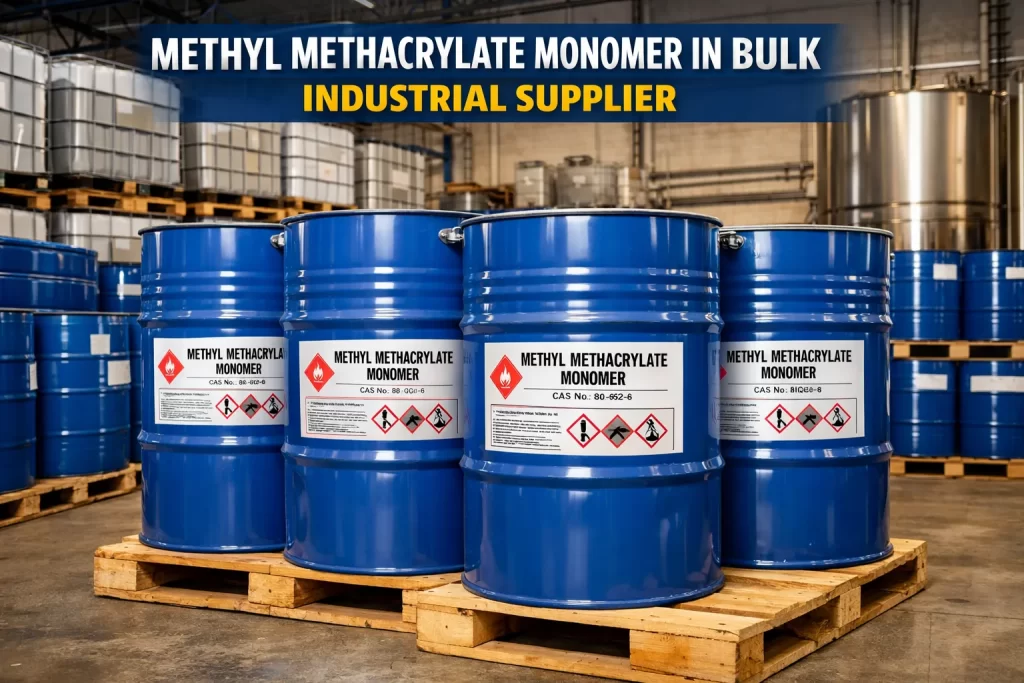
High-Purity Chemical Manufacturing with a Focus on Speed and Reliability Methyl methacrylate (MMA) monomer is a critical raw material used […]

Buy Methyl Methacrylate Monomer for PMMA Manufacturing – Global Bulk Supplier

Buy Methyl Methacrylate Monomer for PMMA Manufacturing – Global Bulk Supplier

High-Purity Chemical Manufacturing with a Focus on Speed and Reliability Methyl Methacrylate (MMA) monomer is the essential raw material used […]
Buy Methyl Methacrylate Monomer for PMMA Manufacturing in India

Buy Methyl Methacrylate Monomer for PMMA Manufacturing in India

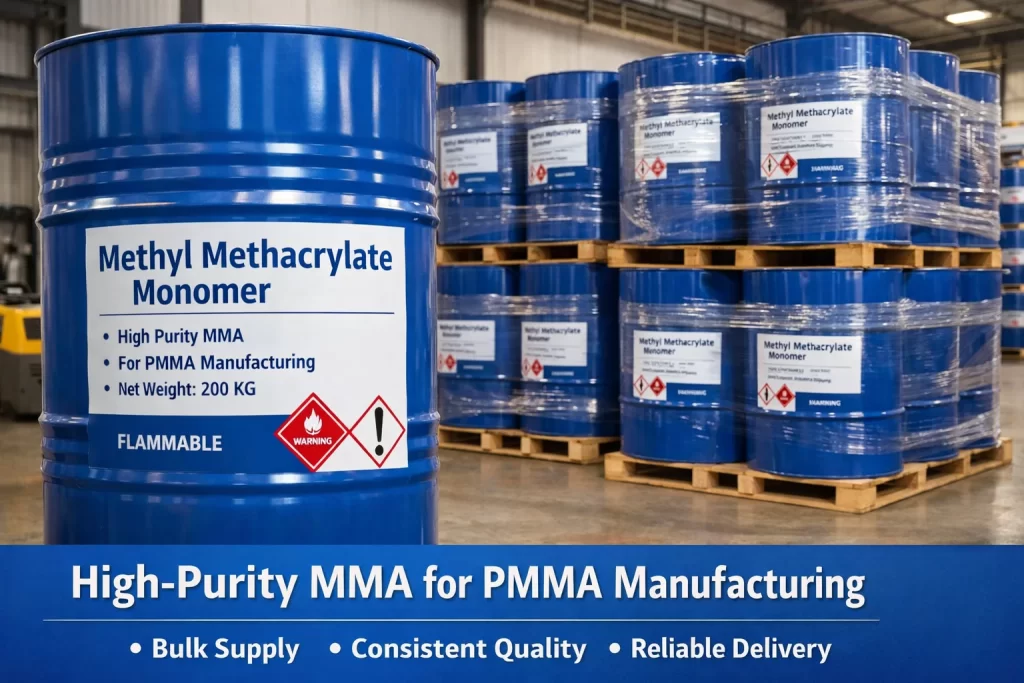
High-Purity Chemical Manufacturing with a Focus on Speed and Reliability Buy Methyl Methacrylate Monomer for PMMA Manufacturing in India Methyl […]

Leave a Comment

Your email address will not be published. Required fields are marked *

seven − five =

Scroll to Top