
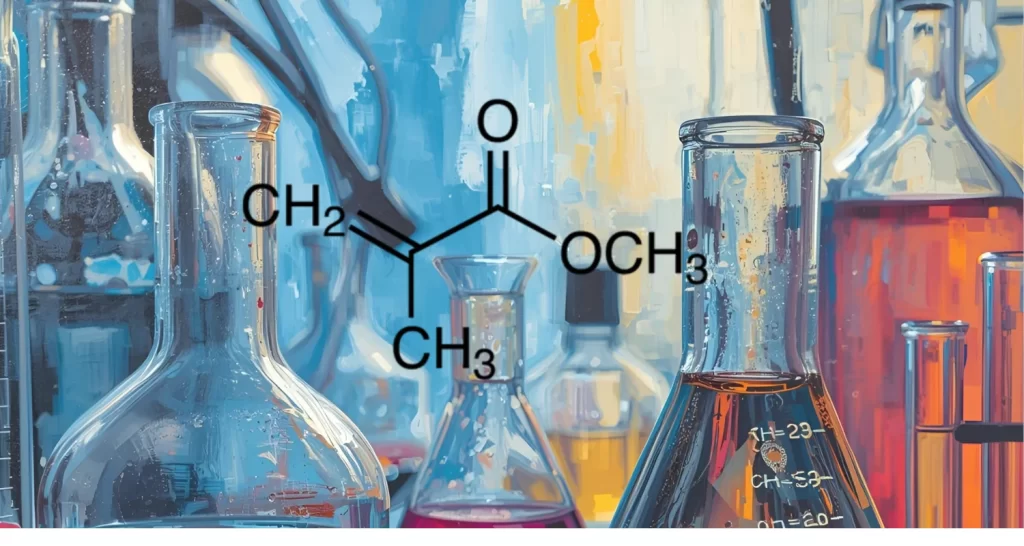
Methyl Methacrylate (MMA) and Poly Methyl Methacrylate (PMMA)
Methyl Methacrylate (MMA) and Poly Methyl Methacrylate (PMMA) are two of the most widely used materials in the acrylic and plastics industry. Their clarity, strength, and stability make them essential ingredients in everything from construction panels and acrylic sheets to coatings, adhesives, and precision-engineered plastic components. This page provides a complete technical and commercial overview of MMA and PMMA while targeting the core keywords related to structure, uses, synthesis, and preparation.
What is Poly Methyl Methacrylate (PMMA)?
Poly methyl methacrylate is a rigid, transparent thermoplastic polymer known for high optical clarity and long-term durability. It is produced by polymerizing the methyl methacrylate monomer into long molecular chains. Because PMMA offers excellent light transmission, weather resistance, and impact strength, it is commonly used as a lightweight replacement for glass in both indoor and outdoor settings.
PMMA is valued for its smooth surface finish, minimal haze, and strong resistance to UV exposure. These qualities allow it to maintain clarity even after years of sunlight. Its technical advantages have made PMMA one of the leading acrylic polymers in global manufacturing, engineering, and design applications.
Poly Methyl Methacrylate Structure
The structure of poly methyl methacrylate is based on repeating methacrylate units linked together through a polymerization process. This structure gives PMMA:
High strength-to-weight ratio
Excellent dimensional stability
Low moisture absorption
High optical purity
Strong resistance to yellowing and degradation
Unlike many thermoplastics, PMMA maintains clarity and rigidity without requiring heavy additives or stabilizers. Its linear structure allows it to be shaped, molded, cut, and machined with precision, making it a preferred choice for fabrication work.

Methyl Methacrylate (MMA): The Building Block of PMMA

Methyl methacrylate is the liquid monomer from which PMMA is synthesized. It is a clear, colorless, fast-polymerizing chemical widely used in coatings, adhesives, plastics, and chemical synthesis. Because it polymerizes easily, MMA serves as the foundation of numerous acrylic materials.
Methyl Methacrylate Structure
The structure of methyl methacrylate includes a methacrylate backbone with a methyl ester group, giving it strong reactivity during polymer formation. This structure enables controlled polymerization into PMMA or other acrylic-based materials.
Methyl Methacrylate Density and Properties
Density: around 0.94 g/cm³
Boiling point: about 101°C
Excellent miscibility with other monomers
High purity grades available for polymer production
MMA is classified as a reactive monomer, so proper handling, storage, and inhibitor use are essential to keep it stable before polymerization.
Poly Methyl Methacrylate Uses
PMMA is used across a wide range of industries because it combines the transparency of glass with the versatility of a thermoplastic. Its common applications include:
Acrylic sheets and displays
Signage, retail fixtures, and lighting
Automotive lamps and exterior components
Architectural panels, glazing, and skylights
Medical devices and implants
Safety barriers and protective panels
Electronic screens and optical lenses
Household goods and molded components
Manufacturers choose PMMA for its clarity, strength, weather resistance, and ease of fabrication. Whether cast into sheets, molded into precise shapes, or extruded into profiles, PMMA maintains consistent performance across environments.
Poly Methyl Methacrylate Powder
PMMA powder is used in applications where controlled particle size and easy processing are important. It is widely used in:
Injection molding and extrusion
Resin modifications
Surface coatings
Specialty fillers
Heat-resistant formulations
Its predictable flow behavior and purity make PMMA powder ideal for applications requiring uniform dispersion.
Poly Methyl Methacrylate Synthesis
The synthesis of PMMA involves converting the methyl methacrylate monomer into a solid polymer through controlled polymerization. The primary methods include:
Bulk polymerization
Solution polymerization
Suspension polymerization
Emulsion polymerization
Each method yields PMMA with different molecular weights, clarity levels, and performance characteristics. The choice of method depends on the intended end-use, such as sheet manufacturing, molding applications, or specialty coatings.
Preparation of Poly Methyl Methacrylate
Preparing PMMA involves several steps that influence its clarity and mechanical stability:
Purification of methyl methacrylate monomer
Selection of suitable initiators and stabilizers
Controlled polymerization under monitored temperature and pressure
Removal of residual monomers
Drying and forming into pellets, sheets, or powder
High-quality PMMA requires strict process control to ensure uniformity, optical clarity, and long-term weather resistance.
Melting Point of Poly Methyl Methacrylate
PMMA does not have a traditional melting point because it is an amorphous polymer. Instead, it softens at its glass transition temperature.
Glass Transition (Tg): approximately 100°C to 105°C
Processing Temperature Range: 160°C to 220°C depending on the grade
This thermal behavior allows PMMA to be thermoformed and molded into various shapes without losing its transparency.
Polyethylene Glycol Methyl Ether Methacrylate (PEGMA)
PEGMA is a specialty methacrylate monomer used to modify polymer flexibility, water interaction, and surface properties. It plays an important role in advanced coatings, hydrogels, adhesives, and specialty applications that require chemical compatibility with both acrylic and polyethylene glycol structures.
Its controlled reactivity and hydrophilic characteristics make PEGMA a valuable additive in polymer design.
Why Choose Clear Cast Acrylic Over Extruded Acrylic?
Clear cast acrylic provides important advantages for manufacturers and fabricators:
Superior optical clarity
Better surface finish
Increased stability during thermal processing
Easier to machine and polish
Greater resistance to internal stress
More consistent performance in outdoor environments
These qualities make cast acrylic the preferred material for premium-quality sheets and molded items.
Commercial Supply of MMA and PMMA
If you use MMA or PMMA in manufacturing, the quality and consistency of your raw materials decide your final product performance. We supply:
Methyl methacrylate monomer
Poly methyl methacrylate powder
PMMA resin grades for molding and extrusion
Specialty methacrylate monomers including PEGMA
Our materials support industries such as plastics, construction, medical devices, coatings, adhesives, and automotive manufacturing.
Why Source MMA and PMMA From Us?
Consistent high-purity materials
Reliable bulk supply
Technical guidance for processing
Competitive pricing for large orders
Fast delivery with compliant documentation
Whether you manufacture acrylic sheets, molded components, adhesives, or specialty polymers, we deliver the raw materials you need to maintain quality and efficiency.
Request a Quote
For bulk supply, specifications, or technical guidance, contact us to discuss your MMA or PMMA requirements. Our team can support you with detailed product data, safety sheets, and application recommendations.
