
Buyers Guide to Methyl Methacrylate Manufacturers in 2025
If you work with acrylic products, construction materials, or precision components, you already know the stakes are high. The smallest variation in quality can change everything — from the strength of a window panel to the clarity of a protective screen.
That’s why understanding how methyl methacrylate manufacturers operate — and why something as specific as density is a critical quality marker — can give your business a real competitive edge.
In this guide, we’ll break down what methyl methacrylate is, why density matters, how the most reliable methyl methacrylate manufacturers control quality, and what trends are shaping this sector in 2025. You’ll walk away knowing exactly how to evaluate a supplier and choose the right manufacturing partner for your needs.
What Exactly Is Methyl Methacrylate?
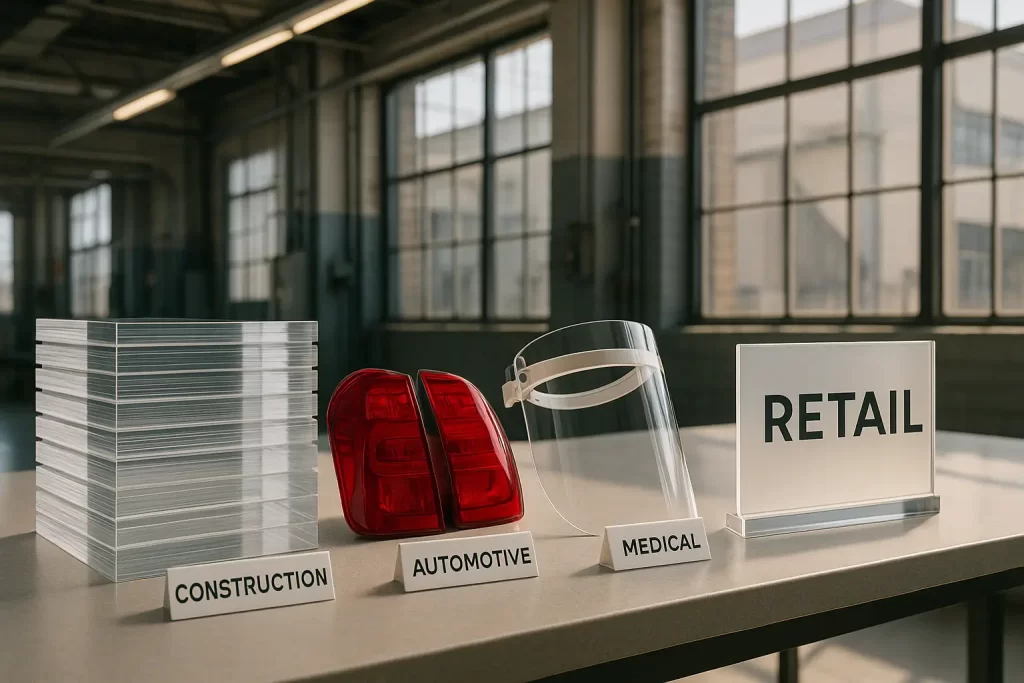
Methyl methacrylate (MMA) is a clear, colorless liquid and the primary building block for acrylic and polymethyl methacrylate (PMMA). These materials are known for their clarity, strength, and weather resistance, making them a favorite in industries like construction, signage, automotive, medical devices, and consumer goods.
Acrylic sheets in storefronts, durable protective barriers in hospitals, glossy advertising displays, and even certain automotive parts can all be traced back to the work of skilled methyl methacrylate manufacturers.
Why Density Is the Starting Point for Quality
When industry professionals discuss MMA quality, they often start with density — the measurement of mass per unit volume. For MMA, the standard density at room temperature (25°C) is 0.94 g/cm³. This figure might sound small, but it has major implications for product performance.
Density influences:
- The weight and strength of acrylic products
- How MMA interacts with other materials during manufacturing
- Shipping and storage efficiency
- Durability in end-use environments
Even small inconsistencies can result in acrylic products that warp, crack, or fail prematurely. The best methyl methacrylate manufacturers invest in precision testing to ensure density remains consistent across every batch.
Why Density Matters Across Industries
Here’s where density becomes more than just a number — it’s a performance driver.
In architecture, lower-density MMA panels are easier to install, reduce structural loads, and offer excellent light transmission. In the automotive sector, parts made from correctly balanced MMA help lower vehicle weight, improving fuel efficiency. In healthcare, lightweight acrylic shields are safer to handle and install quickly in critical environments.
One of the strengths of top methyl methacrylate manufacturers is their ability to adjust and maintain density specifications according to the end application, ensuring the final product meets both functional and safety requirements.
Understanding How Manufacturers Control Density
Reliable methyl methacrylate manufacturers follow a strict set of quality control measures. They start by sourcing pure raw materials, often working with long-term suppliers who guarantee chemical consistency. Then, during production, advanced temperature-controlled polymerization processes keep density uniform.
Post-production, density testing — usually via pycnometers or digital density meters — ensures every shipment matches the agreed-upon specs. This kind of precision is one of the main reasons top-tier manufacturers can command loyalty from demanding clients.
Global and Indian Market Outlook for 2025
The demand for MMA is growing worldwide. According to recent industry reports, the global methyl methacrylate market is expected to reach over $13 billion by 2028, with strong growth in Asia-Pacific, particularly in India and China.
In India, manufacturing hubs in Gujarat, Maharashtra, and Tamil Nadu are home to several leading methyl methacrylate manufacturers. The country’s rapid urbanization, booming signage industry, and push for lightweight construction materials mean local producers are in an excellent position to compete globally.
Key Qualities of Reliable Methyl Methacrylate Manufacturers
While the market is expanding, not all suppliers deliver the same results. Based on industry experience, the best methyl methacrylate manufacturers share these traits:
- Consistent Density Control – Precision matters, and reliable suppliers provide density certifications with every batch.
- Advanced Manufacturing Facilities – Temperature control, cleanroom environments, and automated systems help ensure purity.
- Custom Formulation Capability – The ability to tweak density, additives, and finish for unique client needs.
By focusing on these qualities, buyers can narrow down their options to partners who will protect product quality and brand reputation.
Real-World Applications and Density’s Role
Let’s bring it closer to daily use. If you’ve ever seen a crystal-clear skylight that seems to almost disappear into the sky, that’s density and material purity at work. The same is true for lightweight, impact-resistant bus stop shelters, or elegant, curved display stands in shopping malls.
In each case, methyl methacrylate manufacturers work behind the scenes, ensuring that the density is perfect for structural stability without unnecessary weight. That’s what makes these products last longer and perform better in their environment.
Sustainability: Why Density Helps the Environment
In 2025, sustainability is not a bonus — it’s a requirement. Interestingly, density plays a role here too. Lower-density materials require:
- Less raw material for the same coverage
- Lower transport emissions due to reduced weight
- Easier recycling processes for end-of-life acrylic products
Forward-thinking methyl methacrylate manufacturers are also experimenting with recycled MMA (rMMA) and bio-based alternatives, keeping density performance on par with traditional versions.
How to Evaluate a Methyl Methacrylate Manufacturer
When sourcing, it’s tempting to focus solely on price, but that’s risky in a density-sensitive industry. Instead, consider:
- Track Record: Years in operation and industry references.
- Technical Data: Do they share density specs upfront?
- Customization Options: Can they meet unique density and clarity requirements?
Asking these questions helps ensure your supplier isn’t just delivering material, but delivering it at the quality level your business demands.
The Future of MMA Manufacturing
Looking ahead, methyl methacrylate manufacturers are adopting smart technologies. AI-driven quality control systems are beginning to monitor density in real time. 3D printing with MMA-based resins is opening new possibilities for complex, lightweight structures. Aerospace and medical innovations will continue to push demand for high-precision, density-consistent MMA.
Final Thoughts
Density may seem like a technical detail, but for anyone working with acrylic products, it’s a measure of quality, durability, and performance. In the hands of skilled methyl methacrylate manufacturers, that 0.94 g/cm³ becomes the foundation for everything from safe hospital equipment to striking architectural features.
Choosing the right manufacturer is ultimately about trust — trust that they’ll maintain density consistency, meet deadlines, and innovate for the future. With demand only increasing in 2025, now is the time to secure a manufacturing partner who can help you build lighter, stronger, and smarter.
When unexpected reactions occur during the application of MMA, it’s crucial to systematically identify and address the root causes.
Steps to Troubleshoot:
- Assess Storage Conditions: Verify if temperature, humidity, and containment meet MMA storage requirements.
- Inspect Additive Interactions: Ensure compatibility of catalysts, inhibitors, and fillers with MMA.
- Monitor Environmental Variables: Confirm proper ventilation, humidity, and temperature during application.
Implementing these checks expedites issue resolution and minimizes disruptions.
Frequently Asked Questions
Here are the frequently asked questions (FAQs) that provide essential information about MMA Chemicals and our Methyl Methacrylate (MMA) Monomer products. These FAQs are designed to address common inquiries and help you understand why MMA Chemicals is the preferred choice for MMA Monomer.
Evaluate the quality by checking key indicators like purity, physical properties, and compliance standards. Verify the supplier’s testing methods, batch consistency, and technical support.
Batch consistency ensures that each batch of regenerated MMA meets the same quality standards, reducing the risk of defects in your final products and maintaining production efficiency.
Look for certifications like ISO 9001 (quality management), ISO 14001 (environmental management), and compliance with industry-specific standards such as REACH and RoHS.
