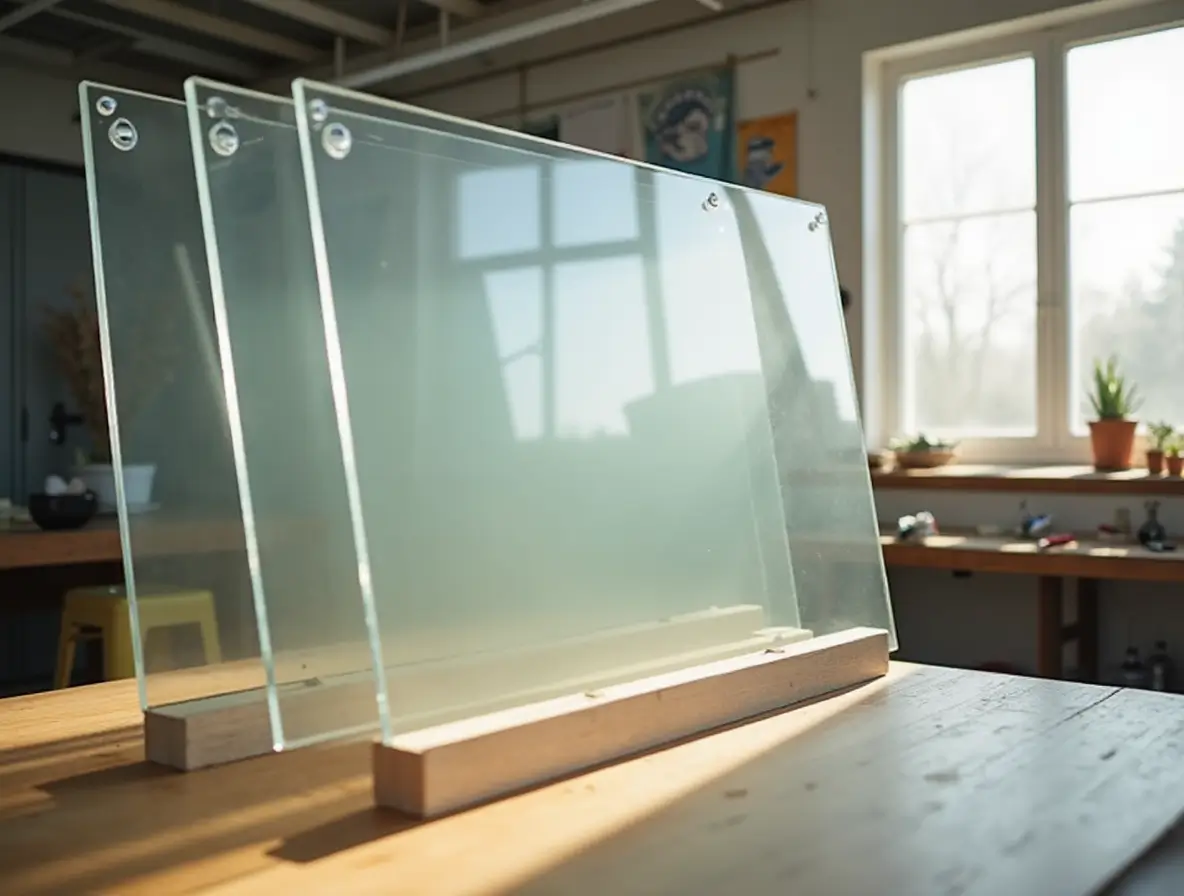
In today’s material-driven industries and creative projects, the clear acrylic sheet has emerged as a highly favored choice for its exceptional clarity, durability, and versatility. Whether you’re working on a DIY home project, designing architectural elements, or manufacturing commercial displays, selecting the perfect clear acrylic sheet is crucial to achieving your desired results. This comprehensive guide will explore everything you need to know from the basics of what a clear acrylic sheet is, through key properties, types, and applications, to detailed tips on selecting, cutting, and caring for your acrylic sheet.
What Is a Clear Acrylic Sheet?
A clear acrylic sheet is a transparent plastic sheet primarily made from polymethyl methacrylate (PMMA), a synthetic polymer known for its optical clarity and resilience. Acrylic sheets, sometimes called plexiglass or acrylic glass, provide an excellent alternative to traditional glass, offering nearly the same level of transparency but with significantly enhanced impact resistance and lightweight properties.
The manufacturing of clear acrylic sheets typically involves two main methods: cast and extruded. Each method results in sheets with different characteristics in terms of durability, clarity, and cost. The flexibility of acrylic sheets allows for a broad range of thicknesses, sizes, and surface finishes to cater to various project requirements.
Key Properties of Clear Acrylic Sheets
To choose the right clear acrylic sheet, it’s vital to understand the fundamental properties that make this material desirable for many applications:
Optical Clarity
A defining feature of the clear acrylic sheet is its ability to transmit light exceptionally well. These sheets typically allow around 92% of visible light to pass through, creating an appearance very similar to glass but with less weight and fragility. This high optical clarity makes acrylic sheets a top pick for applications where visibility is key, such as display cases, windows, and aquariums.
Lightweight Nature
Compared to glass, a clear acrylic sheet weighs approximately half as much, making it significantly easier to handle, transport, and install. This lightweight property is especially advantageous in applications involving large panels or situations where reducing structural load is important.
Impact Resistance and Durability
A clear acrylic sheet is around 10 to 17 times more impact-resistant than glass, meaning it is far less likely to shatter under pressure or accidental impact. This resistance makes it a safer option for environments prone to damage, such as public spaces or areas where children and pets are present.
Weather and UV Resistance
Many clear acrylic sheets come with built-in UV inhibitors or protective coatings that prevent yellowing and degradation from prolonged exposure to sunlight. This weather resistance makes acrylic sheets suitable for outdoor uses such as skylights, signage, and protective barriers.
Ease of Fabrication
Clear acrylic sheets are easier to cut, drill, and shape than glass, enabling easier customization. They can be worked on with common tools such as saws, routers, and laser cutters without cracking or splintering, making them ideal for both DIY projects and industrial fabrication.
Wide-Ranging Applications of Clear Acrylic Sheets
Due to their excellent clarity, strength, and weather resistance, clear acrylic sheets are employed across many industries and for various purposes:
- Architectural Uses: Clear acrylic sheets are commonly used in windows, skylights, and curtain walls where transparency and weight reduction are important.
- Retail and Display: Stores use acrylic sheets for display cases, shelving, and point-of-sale units, offering a sleek and durable way to showcase products.
- Protective Barriers: Acrylic sheets have become indispensable for sneeze guards, protective screens, and social distancing barriers, particularly in healthcare and retail environments.
- Signage and Advertising: Acrylic is popular for indoor and outdoor signage because it can be easily shaped, colored, and printed on while withstanding weather elements.
- Lighting Fixtures: Their light-transmitting ability makes acrylic sheets ideal for lampshades, diffusers, and decorative lighting applications.
- Aquariums and Terrariums: The strength and clarity of acrylic sheets allow for large, clear viewing panels that are more durable than glass.
- Automotive and Aerospace: Acrylic sheets are used for windows, windshields, and instrument panels, valued for their light weight and durability.
- Art and Craft: Artists and designers use acrylic sheets for sculptures, picture frames, and craft projects due to their workability and attractive finish.
Knowing the intended application will help you identify the specifications needed for your clear acrylic sheet.
Essential Factors to Consider When Choosing a Clear Acrylic Sheet
Choosing the perfect clear acrylic sheet involves carefully weighing various factors to ensure it meets the functional and aesthetic demands of your project.
Thickness Matters
Thickness is one of the most important considerations when choosing a clear acrylic sheet. It affects not only the sheet’s strength and rigidity but also its flexibility and weight.
- Thin Sheets (1-3mm): Ideal for light-duty applications such as picture frames, light covers, or protective overlays.
- Medium Thickness (4-8mm): A versatile range commonly used for indoor partitions, signage, and small display cases.
- Thick Sheets (10mm and above): Suitable for structural applications like windows, heavy-duty protective barriers, and skylights.
Thicker sheets offer more durability and impact resistance but also add weight and cost.
Size and Dimensions
A clear acrylic sheet comes in standard dimensions such as 4ft x 8ft or 5ft x 10ft, but custom sizing is often available. When ordering:
- Measure the required dimensions accurately.
- Consider ease of transportation and installation.
- Allow slight margins for installation adjustments.
- Larger sheets may need professional handling to avoid damage.
Surface Finish and Texture
The finish on a clear acrylic sheet can affect both appearance and functionality:
- Glossy Finish: Maximizes clarity and light transmission but may show fingerprints and scratches more easily.
- Matte or Satin Finish: Reduces glare and hides minor scratches, suitable for artistic displays or signage.
- Anti-reflective Coating: Minimizes reflections, ideal for display cases or frames where viewing clarity is paramount.
Choose the finish based on the visual effect and practical needs of your project.
UV Resistance and Outdoor Suitability
If your clear acrylic sheet will be used outdoors or exposed to direct sunlight, UV resistance is a critical factor to consider. Sheets with UV inhibitors prevent yellowing and brittleness caused by prolonged exposure to sunlight, ensuring longevity and consistent appearance over time.
Impact Resistance and Safety
While clear acrylic sheets are generally more impact-resistant than glass, certain applications may require enhanced protection. For example, impact-modified acrylic or laminated options might be necessary for high-traffic areas, schools, or environments where safety standards are stringent.
Cost and Budget Constraints
Price is always a factor. Higher-quality acrylic sheets with UV protection and superior optical clarity will cost more. However, investing in quality can reduce maintenance costs and extend the lifespan of your installation, offering better value over time.
Types of Clear Acrylic Sheets Explained
The manufacturing process impacts the properties of the clear acrylic sheet you choose.
Cast Acrylic Sheets
Cast acrylic sheets are produced by pouring liquid acrylic into molds and curing it slowly. This process results in:
- Superior optical clarity.
- Better resistance to chemicals and UV degradation.
- Higher dimensional stability.
- Preferred choice for outdoor and demanding applications.
- Typically more expensive due to the production process.
Extruded Acrylic Sheets
Extruded acrylic sheets are made by forcing acrylic through rollers under heat and pressure. Characteristics include:
- More affordable pricing.
- Greater flexibility and ease of fabrication.
- Slightly lower optical clarity compared to cast sheets.
- Less UV resistance, making them better suited for indoor use.
Measuring and Cutting Your Clear Acrylic Sheet
Precise measurement and careful cutting are essential for a professional result:
- Measure Accurately: Use a steel tape measure to record the dimensions required, double-checking for accuracy.
- Mark Clearly: Use a fine-tip permanent marker or grease pencil to mark cut lines on the sheet.
- Cutting Thin Sheets: For sheets under 5mm thick, scoring the surface with a utility knife multiple times and then snapping along the scored line works well.
- Cutting Thick Sheets: Use a fine-toothed saw, jigsaw with a plastic blade, or CNC/laser cutting for cleaner, precise edges.
- Safety Precautions: Always wear safety goggles and gloves during cutting, and work in a well-ventilated area to avoid inhaling dust.
Maintenance Tips for Clear Acrylic Sheets
Proper maintenance ensures your clear acrylic sheet retains its clarity and durability:
- Clean regularly with mild soap and water using a soft microfiber cloth.
- Avoid harsh chemicals such as ammonia or alcohol-based cleaners which can damage the surface.
- For scratches, use a specialized acrylic polish to restore the finish.
- Store sheets flat in a cool, dry place away from direct sunlight to prevent warping or discoloration.
Buying Quality Clear Acrylic Sheets
To ensure you receive a high-quality clear acrylic sheet, consider:
- Purchasing from established manufacturers or authorized distributors.
- Verifying product specifications and certifications.
- Choosing suppliers that offer customization options.
- Reading customer reviews and testimonials.
- Checking for warranty and after-sales support.
Final Thoughts: Make the Right Choice for Your Project
Selecting the perfect clear acrylic sheet is about balancing your project’s functional needs, aesthetic preferences, and budget constraints. Understanding key factors such as thickness, size, finish, UV resistance, and fabrication type empowers you to make an informed decision.
The clear acrylic sheet offers an unbeatable combination of clarity, durability, and versatility, making it the ideal material for countless applications. Whether you are building protective barriers, crafting displays, or installing architectural features, choosing the right acrylic sheet will ensure your project’s success and longevity.