
MMA Chemical
MMA chemical, also known as Methyl Methacrylate, is an important industrial monomer used in the production of PMMA, acrylic sheets, acrylic resins, coatings, adhesives and other specialty materials. Its ability to polymerize into clear, durable acrylic materials makes it an essential raw material for manufacturers across the plastics and chemical industries.
For industrial buyers, choosing the right MMA supply involves more than comparing price. Purity, inhibitor level, water content, storage conditions, packaging, supply consistency and application requirements can all influence manufacturing performance.
We supply Methyl Methacrylate for industrial applications, supporting manufacturers, processors and B2B buyers with bulk requirements.

Industrial MMA
For manufacturing
Bulk Requirements
Planned B2B supply
PMMA & Acrylic
Core raw material
Quote Support
Quantity & destination based
What Is MMA Chemical?
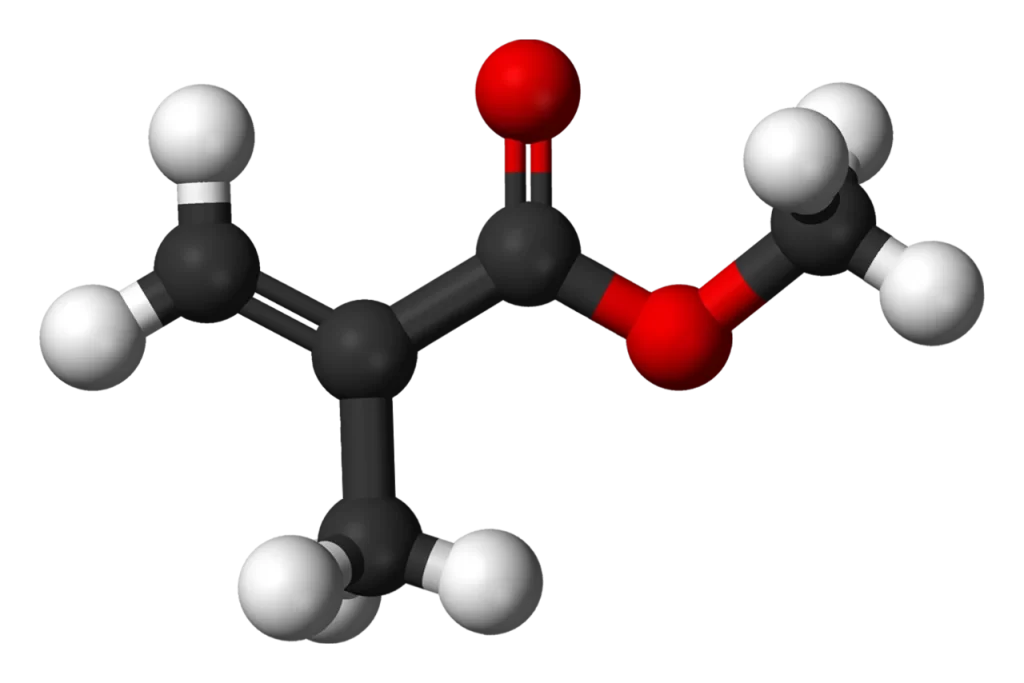
MMA stands for Methyl Methacrylate, an organic compound with the molecular formula C₅H₈O₂. Its structural formula is commonly represented as CH₂=C(CH₃)COOCH₃.
At normal conditions, MMA is a clear, colorless, volatile liquid. More importantly for industrial users, it functions as a monomer, meaning individual MMA molecules can react through polymerization to form larger polymer structures.
The best-known example is PMMA, or Polymethyl Methacrylate.
MMA MONOMER
POLYMERIZATION
PMMA / ACRYLIC MATERIAL
Why MMA matters
Its ability to polymerize into clear, durable acrylic materials makes it an important raw material for plastics and chemical industries.
PMMA, acrylic sheets, resins, coatings and specialty materials all connect back to this industrial monomer.
MMA Chemical Structure and Composition
The molecular structure of Methyl Methacrylate contains a carbon-carbon double bond and an ester functional group. The double bond provides the reactive site that allows MMA molecules to join together during polymerization.

Key Physical and Chemical Properties of MMA
Understanding the properties of an MMA chemical helps manufacturers evaluate processing, handling and application requirements.
Property | Typical Reference Information |
Appearance | Clear, colorless liquid |
Molar Mass | Approx. 100.12 g/mol |
Density | Approx. 0.94 g/cm³ |
Boiling Point | Approx. 100 to 101°C |
Melting Point | Approx. -48°C |
Water Solubility | Limited / slightly soluble |
Polymerization | Readily polymerizable |
Flammability | Flammable liquid |
These are general reference values. Actual commercial specifications can vary by product grade, supplier and test method. Industrial buyers should use the applicable Certificate of Analysis (COA), Technical Data Sheet (TDS) and Safety Data Sheet (SDS) when evaluating a specific shipment.
Appearance
Clear, colorless liquid
Molar Mass
Approx. 100.12 g/mol
Density
Approx. 0.94 g/cm³
Boiling Point
Approx. 100 to 101°C
Melting Point
Approx. -48°C
Water Solubility
Limited / slightly soluble
Polymerization
Readily polymerizable
Flammability
Flammable liquid
Why Is Methyl Methacrylate Important?
Methyl Methacrylate is commercially important because it can be converted into materials with a useful combination of clarity, weatherability, surface appearance and durability.
PMMA Manufacturing
Main monomer for polymethyl methacrylate.
Acrylic Sheet Industry
Raw material for acrylic sheet production.
Resin Manufacturing
Monomer for acrylic resin systems.
Paints & Coatings
Used in acrylic coating resin formulations.
Adhesives
Used in selected reactive adhesive systems.
Plastics
Used in PMMA and specialty polymer production.
Automotive
Upstream material for selected acrylic components.
Construction
Upstream material for acrylic and coating products.
MMA Chemical Quality Parameters for Industrial Buyers
MMA Chemical for PMMA and Acrylic Sheet Manufacturing
For acrylic manufacturers, Methyl Methacrylate is a core raw material for PMMA production.
Through controlled polymerization, MMA monomer can be converted into polymethyl methacrylate. PMMA can then be processed into sheets, resins, pellets, molded components and other acrylic products.
Acrylic sheet manufacturers typically pay close attention to raw-material consistency because variations can affect processing and final product characteristics.
When purchasing MMA in bulk, buyers should evaluate the supplier’s actual product specification rather than relying on generic online reference values.
Relevant considerations can include:
| Parameter | Purpose |
|---|---|
| MMA Purity | Suitability for intended process |
| Water Content | Formulation & processing conditions |
| Color / APHA | Optical appearance |
| Inhibitor Content | Storage stability & polymerization control |
| Acidity | Quality-control parameter |
| Appearance | Visible contamination check |
Relevant considerations can include:
If you’re sourcing MMA chemical for PMMA manufacturers or acrylic sheet production, share your required quantity, packaging requirement and destination to receive supply information.
MMA Chemical Applications by Industry
Industry | Typical Role of MMA |
PMMA Manufacturing | Main monomer for polymethyl methacrylate |
Acrylic Sheet Industry | Raw material for acrylic sheet production |
Resin Manufacturing | Monomer for acrylic resin systems |
Paints & Coatings | Used in acrylic coating resin formulations |
Adhesives | Used in selected reactive adhesive systems |
Plastics | Used in PMMA and specialty polymer production |
Automotive | Upstream material for selected acrylic components |
Construction | Upstream material for acrylic and coating products |
This broad application base makes Methyl Methacrylate relevant to both commodity-scale manufacturing and specialized chemical formulations.
MMA for Acrylic Resin Manufacturing
Methyl Methacrylate is also an important building block in acrylic resin manufacturing.
Depending on the formulation, MMA may be polymerized or copolymerized with other monomers to develop resins with specific performance characteristics.
These resin systems can be designed for applications involving:
- Industrial coatings
- Architectural coatings
- Surface finishes
- Specialty plastics
- Adhesive formulations
- Protective materials
MMA Chemical for Paints and Coatings
Another important industrial application is the use of MMA in paints and coatings.
Methyl Methacrylate can be used as a monomer in acrylic resin systems designed for protective and decorative coatings. Depending on the overall formulation, these acrylic systems may contribute properties such as hardness, appearance, outdoor durability and resistance to environmental exposure.
Companies sourcing MMA chemical for coating manufacturing should consider both technical specifications and supply continuity, particularly when production requires regular bulk consumption.
MMA in Adhesives and Specialty Polymer Applications
MMA chemistry is also used in certain adhesive and specialty polymer systems.
Methyl Methacrylate-based formulations are particularly relevant where manufacturers require specific combinations of adhesion, curing behavior and mechanical performance.
The exact role of MMA varies significantly between formulations. Manufacturers should select grades and formulate systems according to their own process requirements, technical standards and regulatory obligations.
Bulk MMA Chemical Supply for Industrial Buyers
Industrial purchasing can involve predictable availability, suitable packaging, documentation and planned delivery schedules.
Regular production
supply
Large-volume
orders
Scheduled monthly requirements
Drum-based
supply
Project-specific
procurement
Long-term B2B
sourcing
Share quantity, application and delivery location.
Match MMA supply to your production requirement.
Whether you need MMA for acrylic sheet production, PMMA manufacturing, acrylic resins, paints, coatings or another industrial process, share your requirement to receive current availability and commercial pricing.
- Quantity
- Application
- Packaging
- Delivery city or port
- Purchase frequency
- Specification
- Packaging
Frequently asked about MMA Chemical.
Industrial purchasing can involve predictable availability, suitable packaging, documentation and planned delivery schedules.
What is an MMA chemical?
MMA chemical is the common abbreviation for Methyl Methacrylate, an organic monomer with the molecular formula C₅H₈O₂. It is widely used to manufacture PMMA, acrylic resins and other methacrylate-based materials.
What is Methyl Methacrylate mainly used for?
One of the major uses of Methyl Methacrylate is the production of PMMA, commonly known as acrylic. MMA is also used in acrylic resins, coatings, adhesives and specialty polymer applications.
Is MMA the same as PMMA?
No. MMA is the monomer, while PMMA is the polymer produced by polymerizing MMA. MMA is generally a liquid raw material, whereas PMMA is a solid acrylic polymer.
Is MMA used to manufacture acrylic sheets?
Yes. Methyl Methacrylate is a key raw material for PMMA and acrylic sheet manufacturing. The specific production process depends on the type of acrylic product being manufactured.
Can MMA chemical be purchased in bulk?
Yes. Industrial buyers can source MMA in commercial quantities depending on supplier availability, packaging, logistics and minimum order requirements.
How can I get the current MMA chemical price?
MMA pricing can change based on quantity, specification, packaging, market conditions and destination. For an accurate B2B quotation, provide your required quantity, application and delivery location.
What documents should an industrial MMA buyer request?
Depending on the transaction and application, buyers commonly review the Certificate of Analysis (COA), Technical Data Sheet (TDS), Safety Data Sheet (SDS) and relevant commercial or regulatory documentation.